
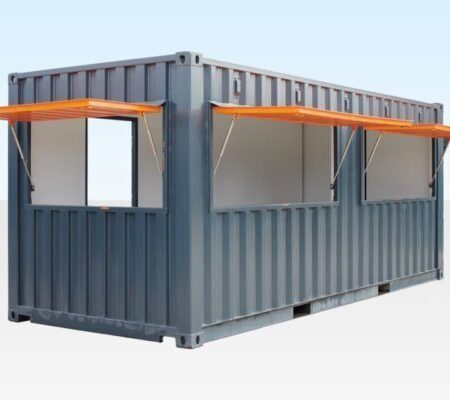
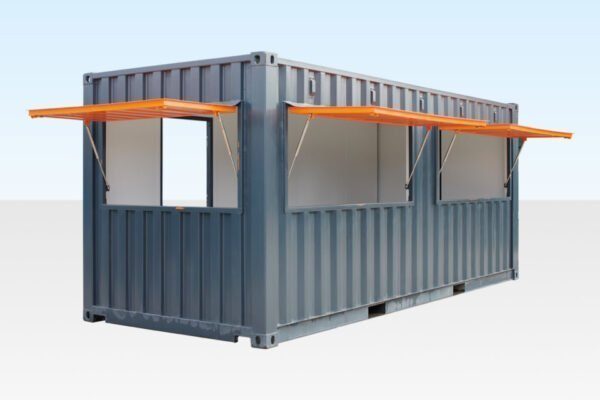
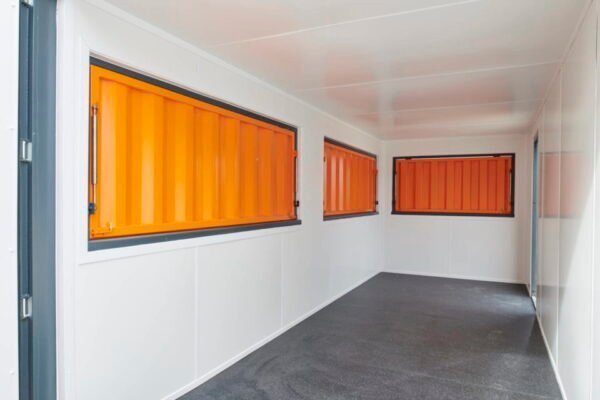
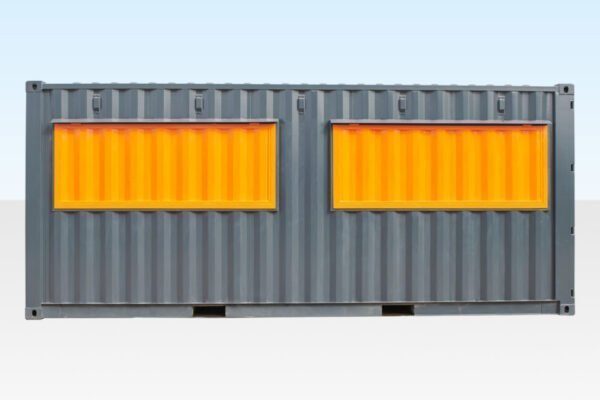
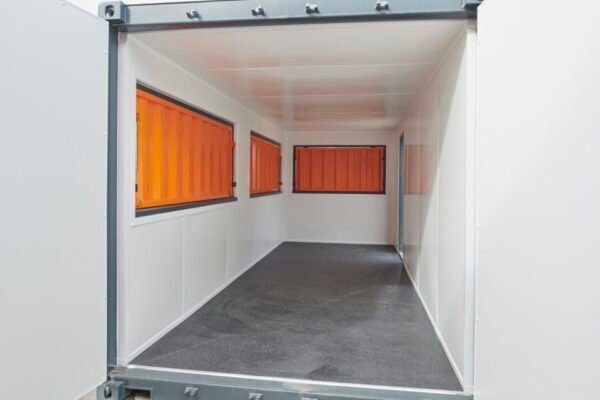
Shipping Container Cafes and Restaurants are food businesses built inside shipping containers. They offer a mobile and cheaper option than building a normal restaurant. They are perfect for new businesses, pop-ups, and brands that want a unique look.
What Are They?
Imagine a steel shipping container turned into a full kitchen and shop. It arrives ready to use. This model uses the container’s strength and easy setup to make a small, efficient, and eye-catching food spot.
The Basic Idea:
-
Structure: A modified, insulated shipping container.
-
Function: A complete commercial kitchen, sometimes with seating.
-
Why It’s Popular: It can move, costs less to start, and looks cool.
Think of it as a stylish, self-contained restaurant on wheels.
Key Benefits
-
Costs Less to Start: Much cheaper than renting and building out a traditional shop.
-
Opens Faster: You can be ready in weeks, not months.
-
You Can Move It: Take it to events, festivals, or a better location.
-
Strong Brand Look: The industrial design gets attention and looks modern.
-
Strong & Secure: The steel box is tough, safe, and weatherproof.
Common Sizes and Types
| Type / Size | Best For | What’s Inside |
|---|---|---|
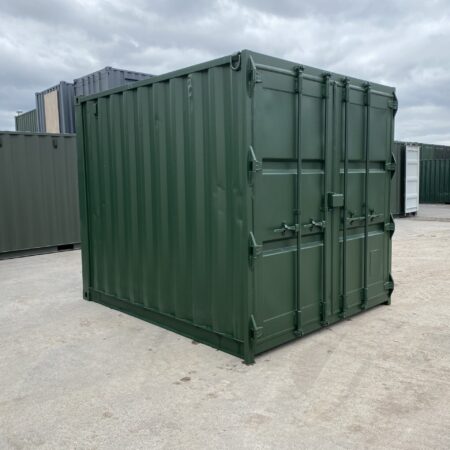
| 10ft Kiosk | Coffee, ice cream, snacks. | Small kitchen, serving window. |
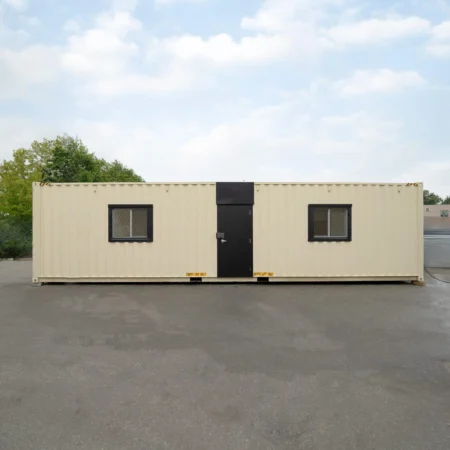
| 20ft Cafe (Most Popular) | Full coffee shop, burger stand, juice bar. | Full kitchen, counter, some seating. |
| 40ft Restaurant | Bigger menus like pizza or tacos. | Spacious kitchen, indoor seating area. |
| Multiple Containers | Bars or big restaurants. | Separate areas for kitchen, bar, and dining. |
Important Things to Plan For
A cool design is not enough. You must plan carefully.
-
Your Menu & Idea: Your food decides the kitchen layout. Keep it simple for a small space.
-
Find a Great Location: This is the most important step. You need a legal spot with lots of people walking by.
-
Connect Water & Power: You will need a strong electrical hookup, water, and drainage.
-
Get Your Permits: You must get permission from the local council and pass health inspections. Start this early.
What’s Included in the Conversion?
A professional company will do this work:
-
The Structure: Add insulation, air conditioning, windows, and doors.
-
Utilities: Install all plumbing, wiring, and ventilation fans.
-
The Interior: Fit the kitchen counters, appliances, and finishes.
-
The Exterior: Add a deck, your sign, and lights.
Cost Guide (Approximate)
| Cost Area | Example for a 20ft Cafe |
|---|---|
| The Container | £2,000 – £5,000 |
| Turning it into a Cafe | £25,000 – £60,000+ |
| Kitchen Machines | £10,000 – £25,000 |
| Site & Connections | £5,000 – £15,000+ |
| Licenses & Permits | £1,000 – £5,000 |
| Total Estimated Cost | £43,000 – £110,000+ |
This is often 30-50% cheaper than building a normal restaurant.
Pros and Cons
Pros:
-
Lower financial risk.
-
Opens much faster.
-
Great for branding.
-
You can move it.
Cons:
-
Space is very limited.
-
Success depends completely on your location.
-
Getting permits can be tricky.
-
You still have to pay rent for your spot.
How to Get Started
-
Write a Business Plan: Be clear on your idea, menu, and budget.
-
Find Your Location First: Secure a legal spot with good foot traffic.
-
Talk to Experts: Contact a container conversion company and your local council early.
-
Get a Design & Price: Work with the converter on a layout and firm quote.
-
Get Funding & Build: Use your plan to get a loan, then place your order.
