
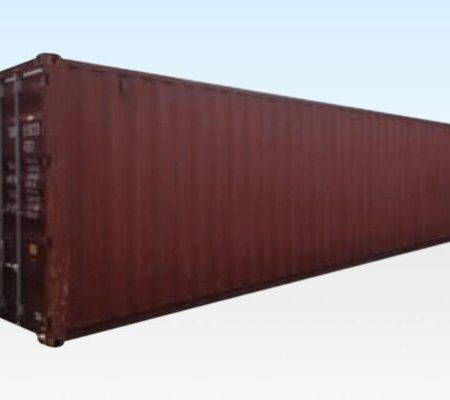
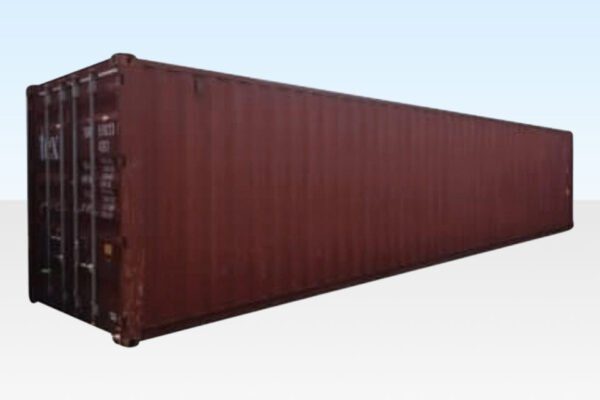
Looking for a reliable 40ft x 8ft used dry van? This container is perfect for international shipping. Therefore, You a It cargo-worthy.
This means it is ready for ocean freight.
Additionally, A cargo-worthy container has passed a full inspection. Therefore, it meets strict global shipping standards. Also, This certification is crucial for exporters.
For example, Shipping lines need it for all ocean transport.
Moreover, an inspector checks many key areas. For instance, They make sure the container is safe and secure. In fact, This process gives you peace of mind.
In addition, You know your goods offers.
As a result, Understanding Cargo-Worthy Certification
On the other hand, This certification is a legal guarantee. Meanwhile, It confirms the container is fit for ocean transport. Nevertheless, A professional inspector checks everything.
Similarly, They make sure it meets high safety standards.
For example, the frame, walls, and roof must be sound. Consequently, There should be no critical damage. Instead, Doors must seal completely.
Also, the floor needs to be solid. Likewise, It must have no holes or soft spots.
Furthermore, a valid CSC plate offers. Thus, This plate is like a passport for global shipping. Hence, Without it, shipping lines will not accept your container.
Besides, You cannot send goods overseas.
Finally, Key checks include:
- Still, Strong frame and walls
- Yet, No leaks or water entry
- Then, Solid, secure floor
- So, Valid CSC safety plate
Because Benefits of a 40ft x 8ft Used Dry Van
Buying a 40ft x 8ft used container offers great value. Therefore, You a fully unit. It costs less than a new one.
This saves your budget significantly.
Moreover, it is export-ready right away. When You can book it on a ship quickly. Since There are no delays at the port.
Generally, This keeps your supply chain moving smoothly.
In addition, the inspection confirms quality. Specifically, It rules out major hidden defects. Therefore, , You know exactly what you buying.
Overall, This gives confidence for your shipments.
Consequently, this container holds good value. Above all, Its certified status helps resale. It also makes leasing easier.
In conclusion, This is a smart investment for your business.
In summary, Ideal Users for This Container
To summarize, This container is for moving goods across oceans. In other words, It is not just for storage. In contrast, Exporters use it for overseas shipments.
Manufacturers send products abroad.
Similarly, importers need reliable boxes. They bring buys from other countries. Freight forwarders keep certified fleets.
They serve their global clients well.
Businesses with global supply chains benefit too. They use containers for both storage and shipping. However, if you only need storage, consider a different type.
A wind/watertight container is cheaper for land use.
Key specs
This container offers ample space. It measures 40 feet long. The width is 8 feet.
Its height is 8 feet 6 inches.
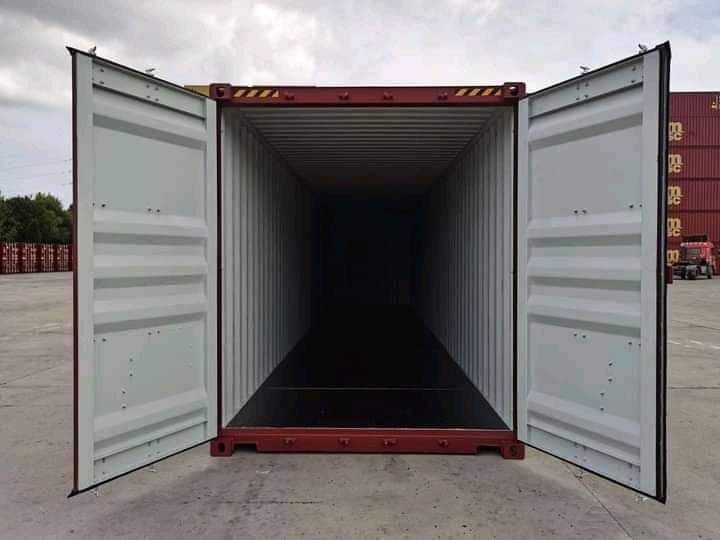
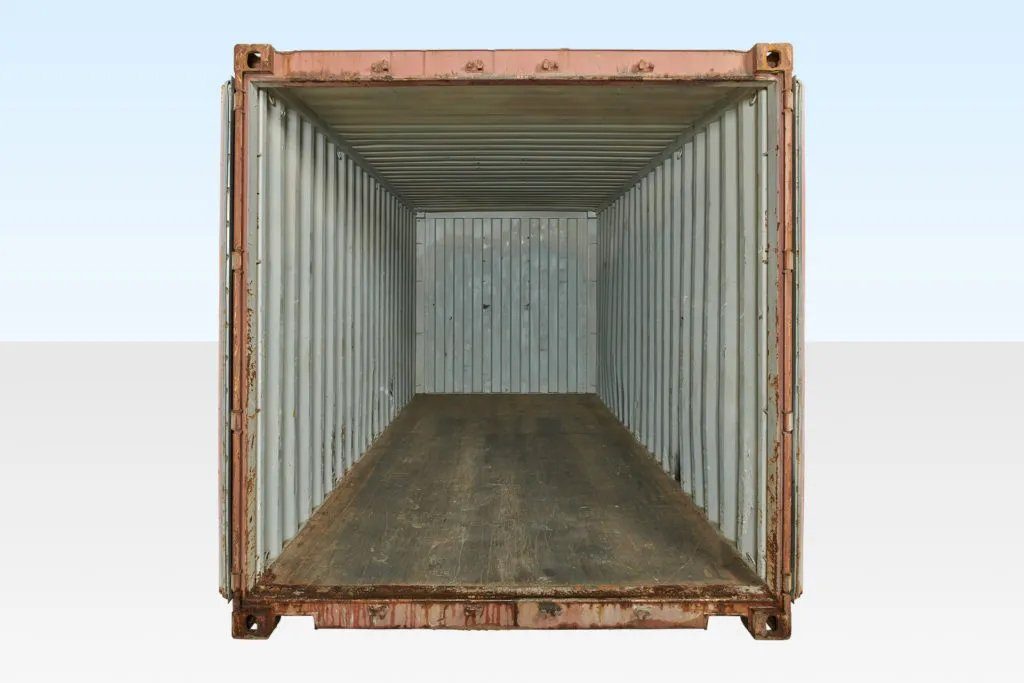
Internally, you get about 39 feet 6 inches in length. The internal width is 7 feet 8 inches. Its internal height is 7 feet 10 inches.
This gives plenty of room.
The door opening is wide. It measures about 7 feet 8 inches. The height is 7 feet 5 inches.
Therefore, loading large items is simple.
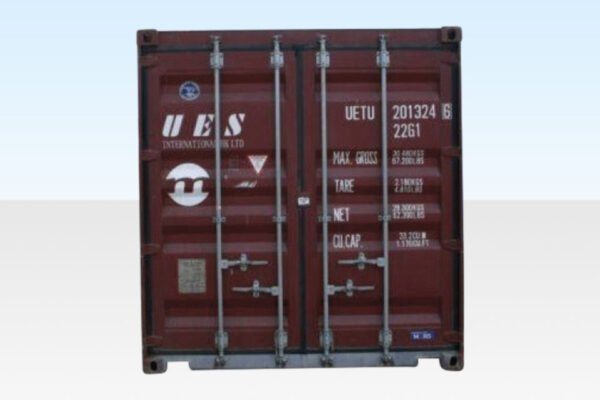
It can handle heavy loads. The maximum gross weight is 67,200 lbs. This equals 30,480 kg.
You can ship many types of cargo.
Essential Checks Before Buying
Even with a CW certificate, always check some details. First, find the CSC plate. Look closely at its next inspection date.
Do not buy if you a it.
Next, walk the entire floor. It must feel solid underfoot. There should be no soft spots.
Also, check for broken planks. A strong floor protects your goods.
Then, close the doors completely. Look for any daylight around the seals. The seals must be intact.
They prevent water from entering. This keeps your cargo dry.
Finally, inspect the overall structure. Look for major dents on the roof. Check the sidewalls too.
These could affect the container’s integrity. make sure it looks sturdy.
Cargo-Worthy vs. Wind/Watertight
It is important to know the difference. Cargo-Worthy (CW) containers are for ocean shipping. Wind/Watertight (WWT) containers are for storage only.
They stay on land.
CW containers have formal inspections. They also have a valid CSC plate. WWT containers only have a seller’s guarantee.
They are simply weather-resistant.
Consequently, CW containers cost more. WWT containers are usually cheaper. If your container goes on a ship, it must be CW.
There is no other option.
Ready to Ship?
Therefore, This 40ft x 8ft dry van a key asset. It helps any business in global trade. It ensures your logistics are reliable.
Your cargo, schedule, and reputation offers.
Buy this certified container today. It is ready for your next international shipment. Visit our shop for more options.
We offer many container types.
You can also explore our 40FT CONTAINERS category. Find the perfect fit for your needs. For more industry insights, check Boxhub.
They provide valuable shipping container information.