
What “Wind and Watertight” Actually Means
This is a minimum standard guarantee from the seller. It means the container has been inspected and confirmed to have:
-
Intact Roof: No holes, significant dents, or compromised welds that would allow rain or snowmelt to enter.
-
Sealed Doors: The door gaskets (rubber seals) are intact and functional, and the doors close tightly to keep out wind-driven rain.
-
Sound Structure: No major corrosion (rust holes) on the walls or floor that would create a direct path for water or wind.
Also, Crucially, it does NOT mean:
-
For example, “Like New” or “Pristine Condition.”
-
For instance, Cosmetically perfect (will have dents, scratches, faded paint).
-
In fact, Structurally perfect for heavy stacking (may have minor frame distortions).
-
Completely rust-free (will have surface rust, especially on the roof and bottom rails).
In addition, What to Expect from a Used 20ft WWT Container
As a result, Typical Condition:
-
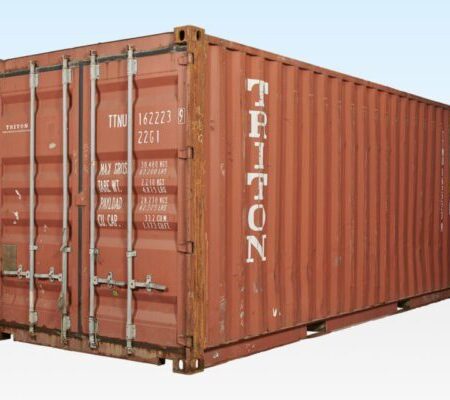
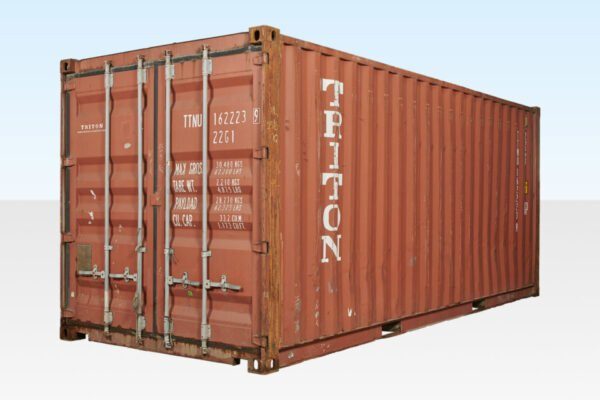
Age: 10-15 years old is common.
-
Exterior: Faded paint (usually Corten steel orange/brown), numerous dents and scratches from handling, and surface rust (especially along the bottom perimeter and roof).
-
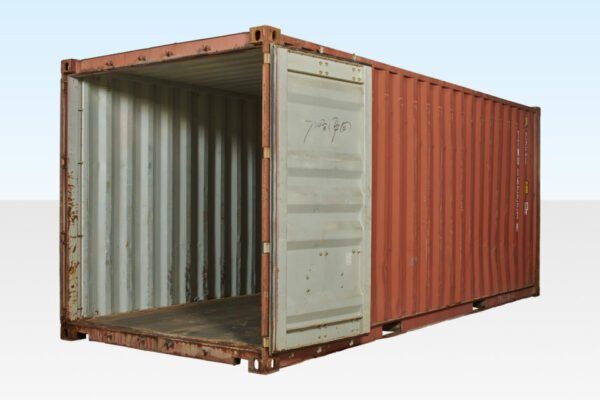
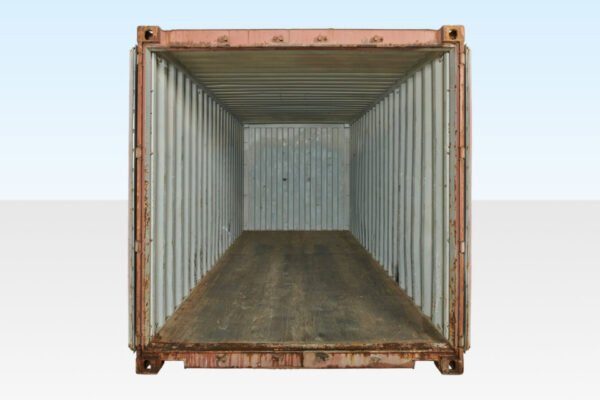
Interior: Expect scuff marks, minor dents on the walls, and a wooden floor that is worn but structurally sound. The floor may have nail holes, stains, or small gaps but should not have soft spots or major rot if it’s truly watertight.
-
Doors: Operable, but may require some effort. Gaskets might be hardened with age but still sealing.
-
Ventilation: Usually has two simple vents near the top corners. Ensure these are intact and screened.
-
History: It was likely in shipping service for 8-12 years, moving between continents, before being retired and sold as a one-trip or used container.
Advantages of Buying a Used WWT Container
-
Cost-Effective: Significantly cheaper than a new “one-trip” container (often 30-50% less).
-
Proven Durability: It has survived years at sea, proving its basic structural integrity.
-
Ideal for Most Storage/Shelter Uses: Perfect for on-site storage, workshops, basic shelter, and most DIY conversion projects where cosmetics aren’t a primary concern.
-
Availability: Readily available at port depots and container yards worldwide.
-
Immediate Use: you can use for storage or transport the day it’s delivered.
Key Inspection Points Before Purchase/Delivery
Even with a WWT guarantee, you should inspect (or ask for detailed photos of) the following:
-
The Roof: This is the #1 failure point. Check for deep dents that could pool water and accelerate rust. Look for any prior patch jobs.
-
The Floor: The most important structural surface. Jump on it. It should feel solid, not springy or soft.
Check the underside of the cross-members if possible for severe corrosion.
-
The Lower Sidewalls & Bottom Rails (Corbels): This area traps moisture and salt. Poke at any rust spots with a key—it should not flake away into a hole. Significant corrosion here affects structural strength.
-
Door Seals & Alignment: Close the doors. Look for daylight around the seals. The locking rods should engage fully and smoothly.
-
Interior for Leak Stains: Look for tell-tale brown streaks or stains on the walls/floor, which indicate past or active leaks the seller may have missed.
Common Questions & Final Advice
-
“Can I stack them?” For a single stack (one on top of another), a used WWT is usually fine if the corner castings are intact. For multiple high stacking, you need a “cargo-worthy” certified container with a stronger guarantee of frame integrity.
-
“Is it suitable for conversion?” Yes, absolutely. This is the most popular choice for DIY conversions. You’ll spend time and money grinding rust, painting, and insulating, but you save thousands on the initial purchase.
-
Delivery: Factor in delivery costs (crane or tilt-bed truck). Ensure you have a firm, level spot for it to sit on (concrete pads, railroad ties, or heavy-duty blocks).
-
Get it in Writing: Ensure the “Wind and Watertight” guarantee is part of your sales agreement.
In summary: A 20ft Wind and Watertight shipping container a practical, economical workhorse.
It’s not pretty, but it provides secure, dry storage or a solid shell for a project. Your diligence in inspecting the roof, floor, and bottom rails will ensure you get a good value that meets your needs for years to come.