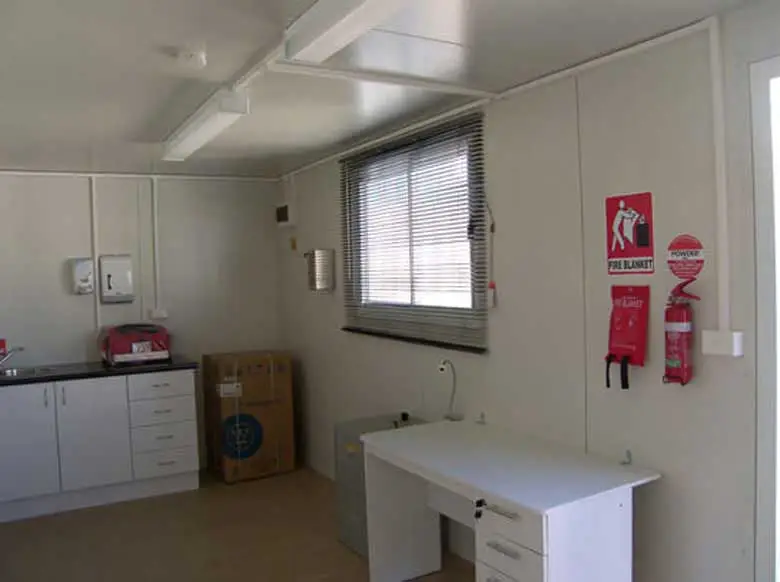
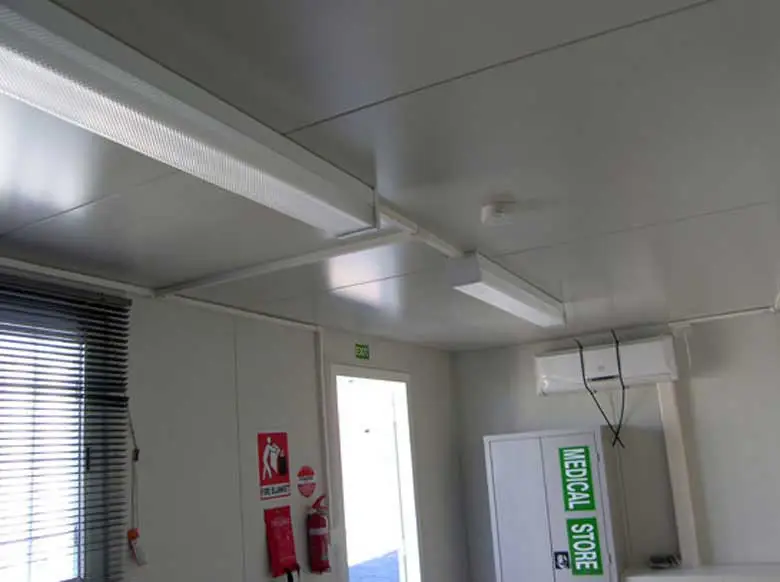
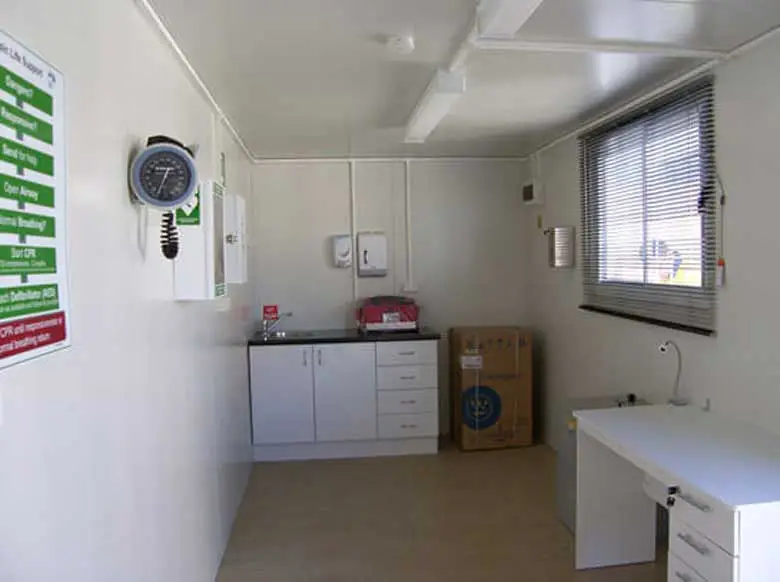
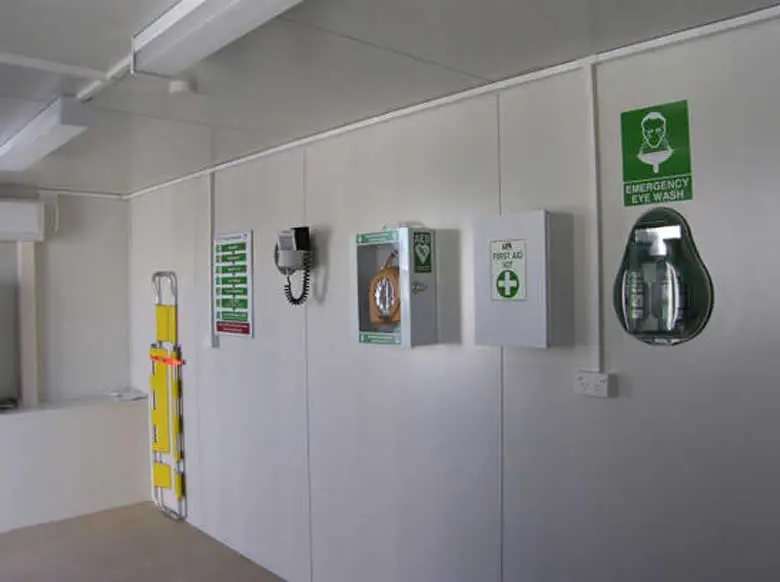
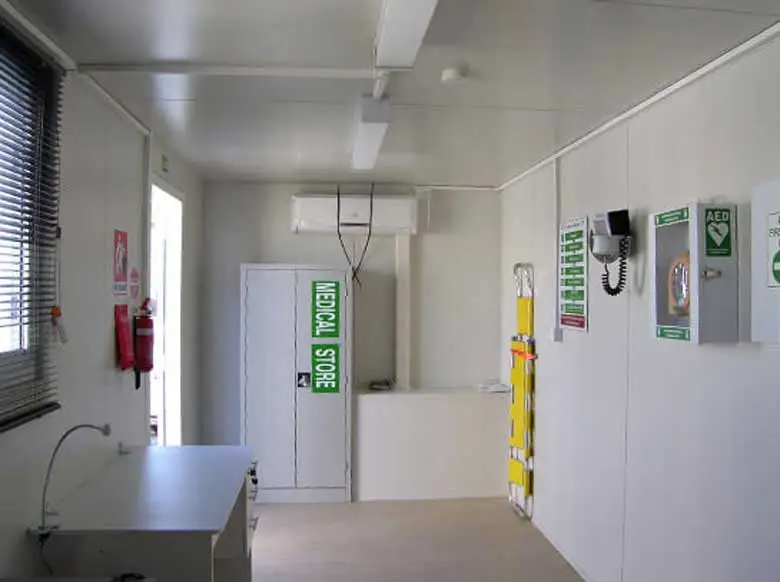
First aid rooms offer vital medical support. They provide immediate, private care at your workplace or event. Moreover, these purpose-built facilities ensure safety and compliance.
Therefore, you a clean, fully- space. It helps treat injuries before professional help arrives.
Moreover, Essential Workplace Safety
Furthermore, What exactly are first aid rooms? Therefore, A first aid room a fully-, space. Specifically, it meets strict rules for size and hygiene.
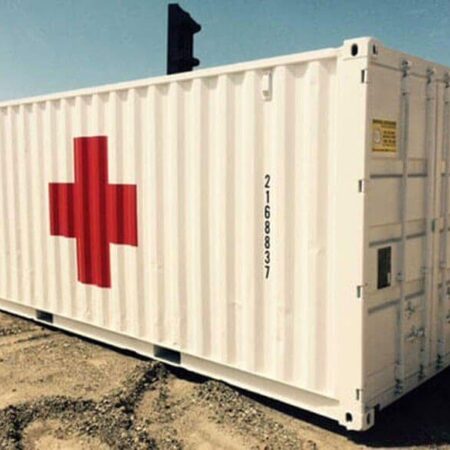
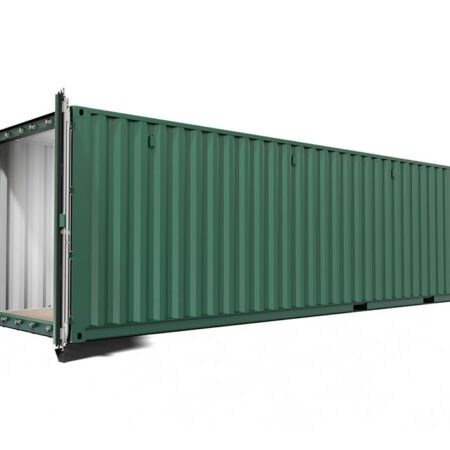
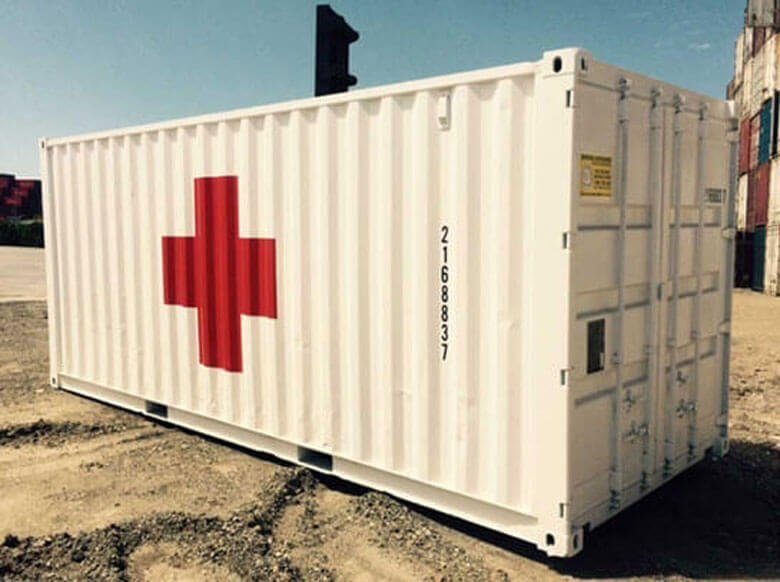
Additionally, Many buildings have a permanent room. However, sites often use modular rooms. Also, These use from shipping containers.
Consequently, these units are perfect for remote or temporary work areas.
Furthermore, these rooms serve a core purpose. For example, They help you meet legal duties. For example, they create a private, calm space for treatment.
Also, they maintain a clean, clinical setting. For instance, This helps control infection. In fact, Ultimately, they show a strong commitment to everyone’s health and wellbeing.
When Do You Need First Aid Rooms?
Regulations often require dedicated first aid rooms after a risk assessment. Several factors trigger this need. For instance, high-risk industries like construction often require them.
Also, sites with over 100 employees need a dedicated space. Moreover, remote locations with slow emergency response times benefit greatly. Workplaces with hazards needing special equipment also require these facilities.
On the other hand, Key Features and Equipment
Meanwhile, Room Requirements
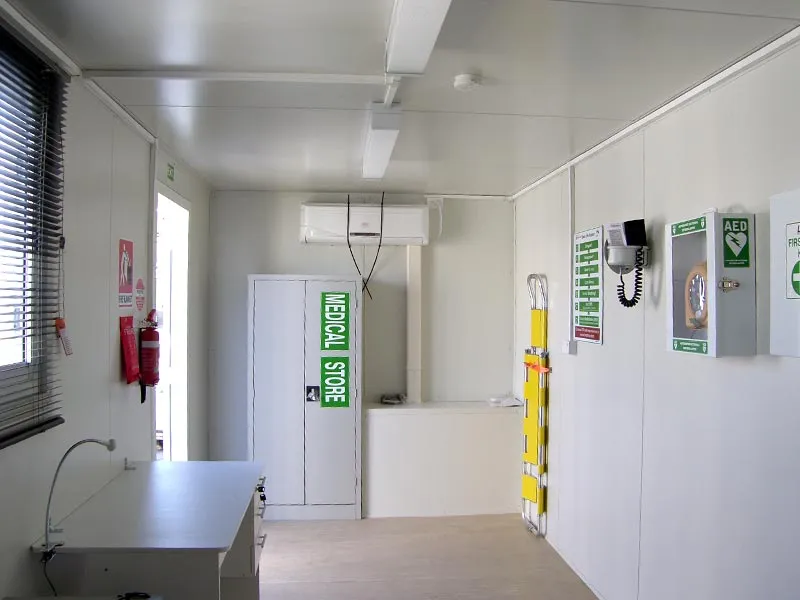
Nevertheless, A compliant first aid room needs proper space and supplies. Similarly, The room itself must meet specific standards. For example, it needs adequate size.
Consequently, It must fit a treatment couch with space to move freely. Hygienic surfaces are also crucial. Instead, You need vinyl floors and good ventilation.
Running water is essential. A sink with hot and cold water helps maintain hygiene. Communication is vital.
You need a phone or radio to call for help quickly. A comfortable resting area is important. Provide a couch with clean sheets and privacy.
Finally, proper waste disposal is a must. You need clinical waste bins and sharps containers.
Essential Supplies
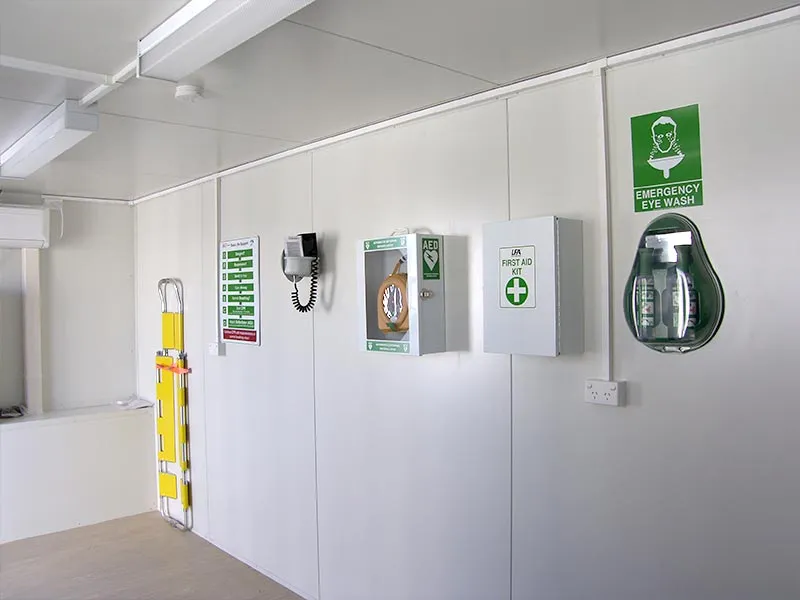
Every first aid room needs specific medical supplies. These items help you respond effectively to injuries.
- A large, fully stocked first-aid kit.
- Sterile eye wash and skin wash bottles.
- Basic medical tools, like a blood pressure monitor.
- A treatment log book, needed by law.
You can find more essential items for your site in our shop. We offer a wide range of safety solutions.
Benefits of Modular First Aid Rooms
For sites without a permanent building, a container unit is ideal. These modular solutions offer many advantages. For example, they provide fast setup.
You can have your room ready in days. They also ensure full compliance. Builders construct them to meet all regulations.
Moreover, they are strong and secure. The steel construction resists weather and damage. They are also portable.
You can move your unit as your project changes location. Consequently, they are cost-effective. They avoid the high cost of a permanent brick building.
Explore other options in our Modified Containers category.
Managing Your First Aid Room
Simply having the room is not enough. You must manage it properly. Therefore, appoint a responsible person.
This person must restock and maintain the room. make sure easy access. Clearly sign the room and keep it unlocked during work hours.
Maintain cleanliness diligently. Keep it clean and free from storage clutter. Finally, train your staff.
Therefore, Make sure enough first-aiders on-site at all times. This proactive approach saves lives.
Planning Steps: How to Get One
Follow this simple process to get your first aid room. First, conduct a risk assessment. Decide if you need a dedicated room based on your site’s needs.
Next, define your specifications. Use official guides to list all your requirements. Then, choose the type of room.
Pick between a permanent build or a modular unit. For a modular unit, select a specialist provider. Companies like Boxhub offer container solutions.
After delivery, install and equip it. Connect utilities and stock it with supplies. Finally, establish clear procedures.
Train staff and set usage rules for everyone.