
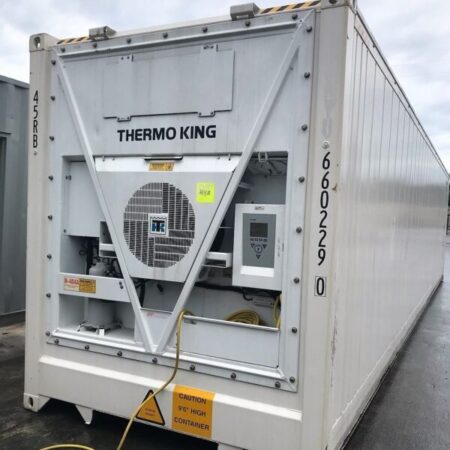
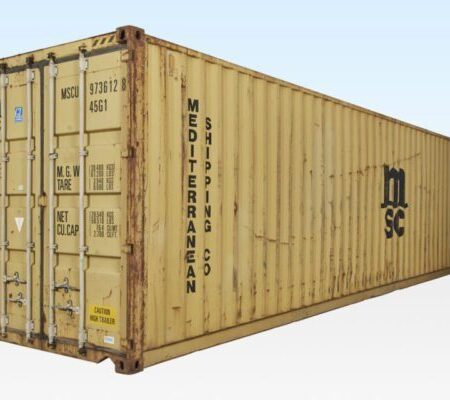
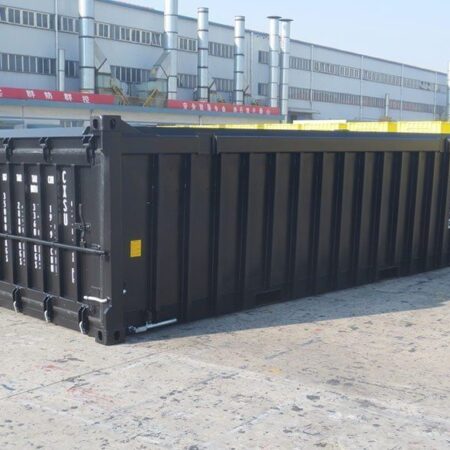
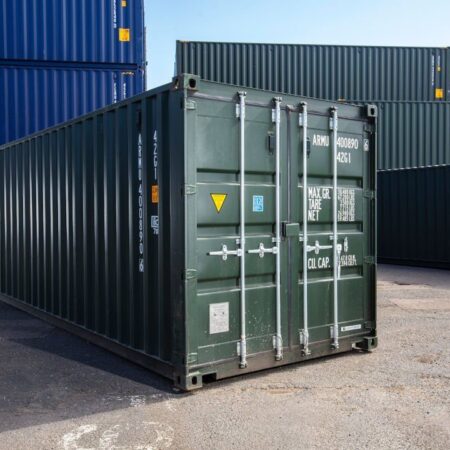
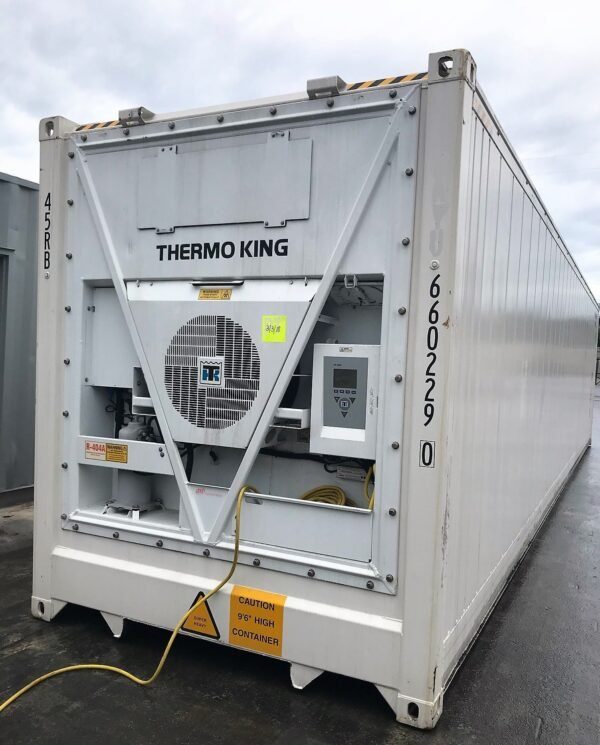
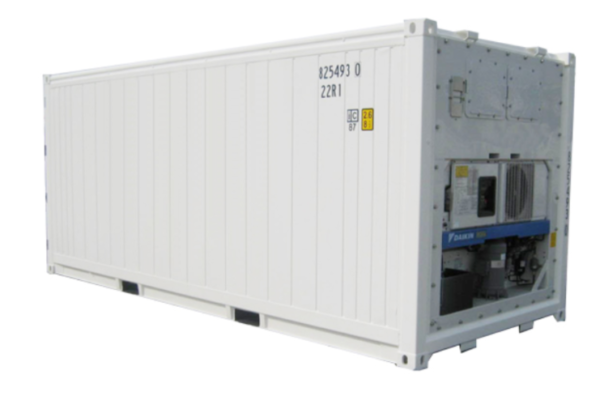
Refrigerated shipping containers (reefers) are insulated, temperature-controlled units designed to transport and store perishable goods at precise temperatures. Unlike standard containers, they feature integrated refrigeration systems, robust insulation, and advanced climate control technology.
How Reefers Work: Core Components
1. Refrigeration Unit
-
Self-contained system mounted on one end (usually front)
-
Powered by three-phase electrical supply (440V/60Hz is common) or an integrated diesel generator
-
Capable of cooling down to -30°C (-22°F) and heating when needed
-
Includes digital controller for temperature programming
2. Insulation & Structure
-
Polyurethane foam insulation in walls, floor, and ceiling
-
T-shaped floor with channels for cold air circulation
-
Hermetically sealed doors with dual gaskets
-
Stainless steel interior for hygiene and corrosion resistance
3. Air Circulation System
-
Bottom air delivery through floor channels
-
Top air return through ceiling
-
Creates a consistent temperature blanket around cargo
Key Specifications
| Feature | Typical Specifications |
|---|---|
| Standard Sizes | 20ft (≈28-30m³ capacity) and 40ft (≈58-66m³ capacity) |
| Temperature Range | -30°C to +30°C (-22°F to +86°F) |
| Power Requirements | 440V/60Hz/3-phase (standard); generator options available |
| Insulation | 75-100mm polyurethane foam (R-value ~R-30) |
| Controls | Digital microprocessor with data logging |
Primary Applications
Transport & Storage of:
-
Food Products: Fruits, vegetables, dairy, meat, seafood
-
Pharmaceuticals: Vaccines, medicines requiring cold chain
-
Floral Products: Cut flowers, plants
-
Chemicals: Temperature-sensitive materials
-
Emergency Use: Mobile morgues, temporary food banks
Common Industries:
-
Agriculture & Fisheries: Harvest season overflow, processing
-
Food Distribution: Temporary storage during logistics delays
-
Event Management: Mobile refrigeration for large events
-
Medical: COVID-19 vaccine storage, medical supply chains
Used vs. New Reefers: Considerations
Used Reefers (Most Common Purchase)
Advantages:
-
50-70% cost savings vs. new units
-
Immediately available from shipping fleet turnover
-
Often recently reconditioned with updated components
What to Inspect:
-
Compressor hours (like mileage on a car)
-
Condition of evaporator and condenser coils
-
Insulation integrity – check for cold spots or moisture
-
Door seal effectiveness – test with dollar bill method
-
Control system functionality – can it hold set temperature?
-
Structural rust, especially around door frames and floor
Typical Lifespan: 10-15 years in shipping, then 10+ more years in static storage with proper maintenance
New Reefers
When to Consider:
-
For critical pharmaceutical storage requiring certified performance
-
When warranty and reliability are paramount
-
For heavy-use commercial applications where downtime is costly
Operating Considerations
Power Requirements
-
Most require 3-phase power – check your facility’s capability
-
Generator sets available for remote locations
-
Energy consumption: 3-7 kW when running (cycles on/off)
Site Preparation
-
Level concrete pad with proper drainage
-
Adequate clearance (1m/3ft minimum) around unit for airflow
-
Electrical connection by qualified electrician
-
Accessibility for delivery (often requires crane)
Maintenance Essentials
-
Regular condenser cleaning (monthly in dusty environments)
-
Door gasket inspection and replacement when hardened
-
Defrost system verification
-
Data log review for temperature excursions
Cost Factors
| Type | Price Range (USD) | Key Determinants |
|---|---|---|
| Used 20ft Reefer | $8,000 – $15,000 | Age, compressor hours, cosmetic condition |
| Used 40ft Reefer | $12,000 – $25,000 | Refrigeration brand, insulation test results |
| New 20ft Reefer | $25,000 – $40,000 | Temperature range, features, brand |
| New 40ft Reefer | $35,000 – $60,000 | Advanced controls, certifications |
Additional Costs:
-
Delivery & crane service: $500 – $2,000
-
Electrical hookup: $1,000 – $3,000
-
Generator set (if needed): $3,000 – $8,000
-
Annual maintenance: $500 – $1,500
Critical Questions Before Purchase
-
“What are the compressor hours?” (Under 15,000 is good for used units)
-
Therefore, “ it pressure for insulation integrity?”
-
“What’s the service history? Any major component replacements?”
-
“Does it come with a performance guarantee?” (e.g., holds set temp for 24 hours)
-
“Are all controller functions working, including alarms and data logging?”
-
“Is the T-floor intact and clean?” (Replacement is very expensive)
Common Pitfalls to Avoid
❌ Assuming single-phase power – most reefers require 3-phase
❌ Ignoring delivery logistics – reefers are heavier and require careful handling
❌ Overlooking insulation degradation – moisture absorption reduces efficiency
❌ Buying without performance testing – always test under load if possible
❌ Underestimating operating costs – refrigeration is energy-intensive
Best Practices for Static Storage Use
-
Install temperature alarms with remote notification
-
Implement routine defrost cycles even if manual
-
Keep detailed temperature logs for compliance (food/pharma)
-
Consider a backup generator for critical applications
-
Place on proper foundation to prevent floor damage and ensure drainage
Conclusion
Refrigerated containers offer turnkey, mobile cold storage at a fraction of permanent facility costs. For most businesses, a reconditioned used reefer provides the best value, offering years of reliable service.
The key to success lies in:
-
Thorough inspection focusing on refrigeration performance
-
Proper site preparation and electrical setup
-
Regular maintenance to extend service life
Final Recommendation: Purchase from a specialized reefer supplier rather than a general container company. They understand the technical aspects and can provide meaningful performance guarantees and after-sales service for the refrigeration system.