
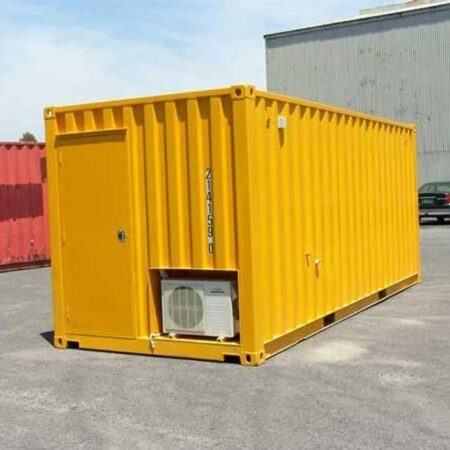
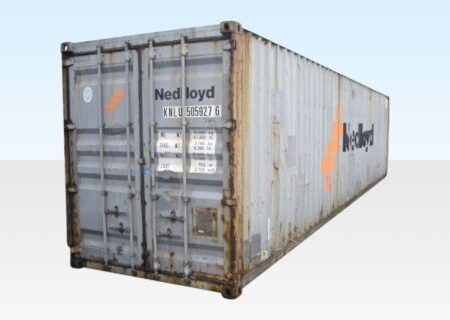
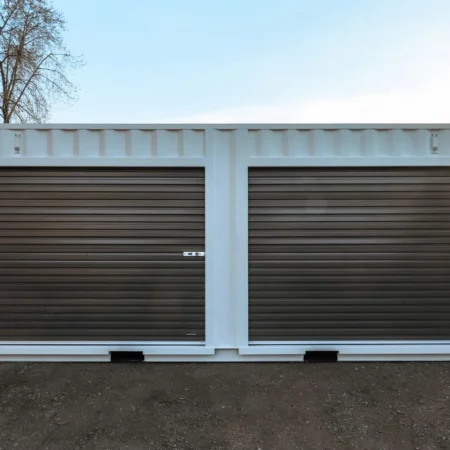
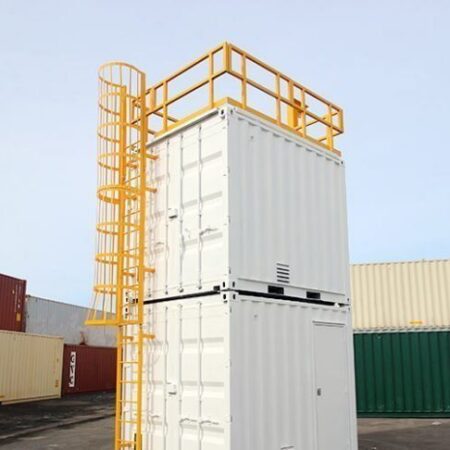
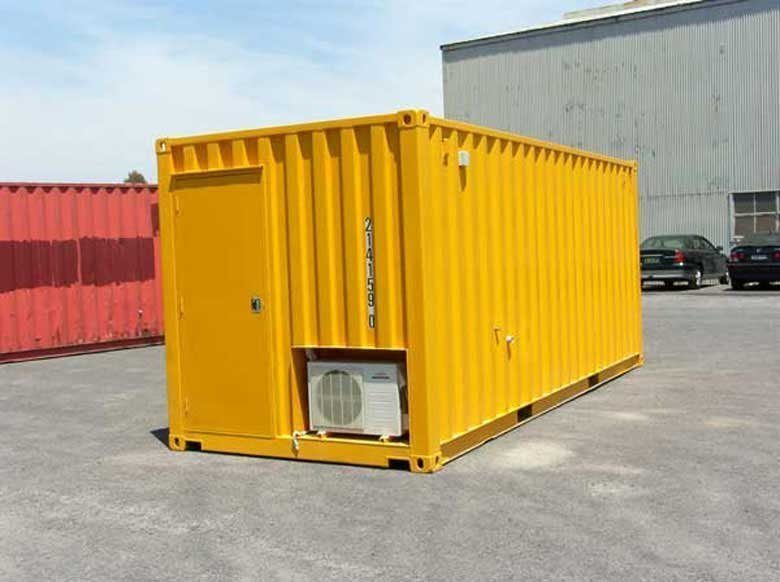
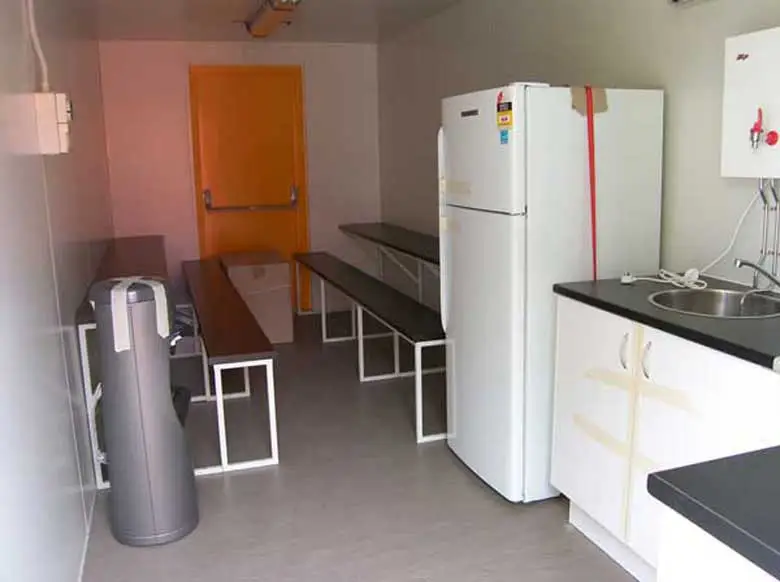
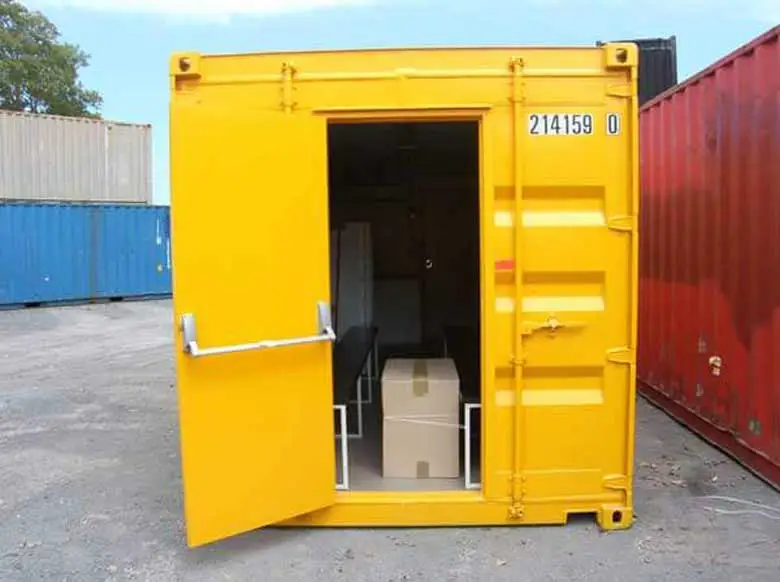
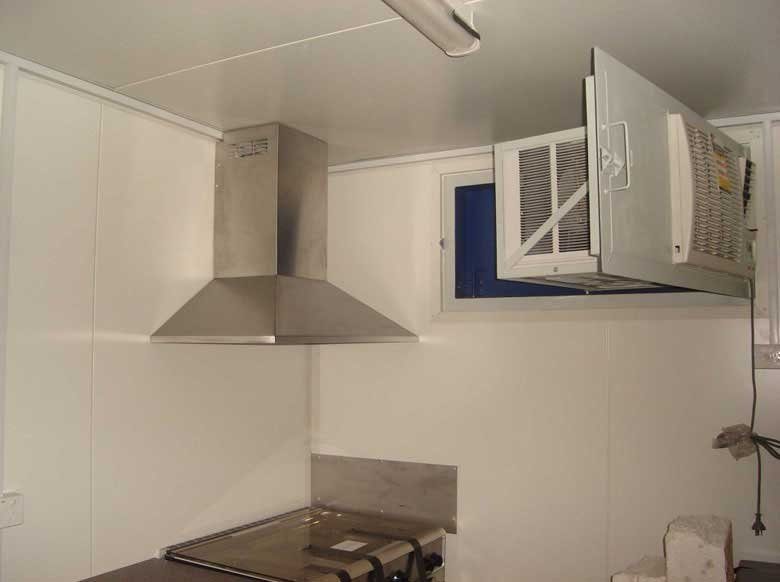
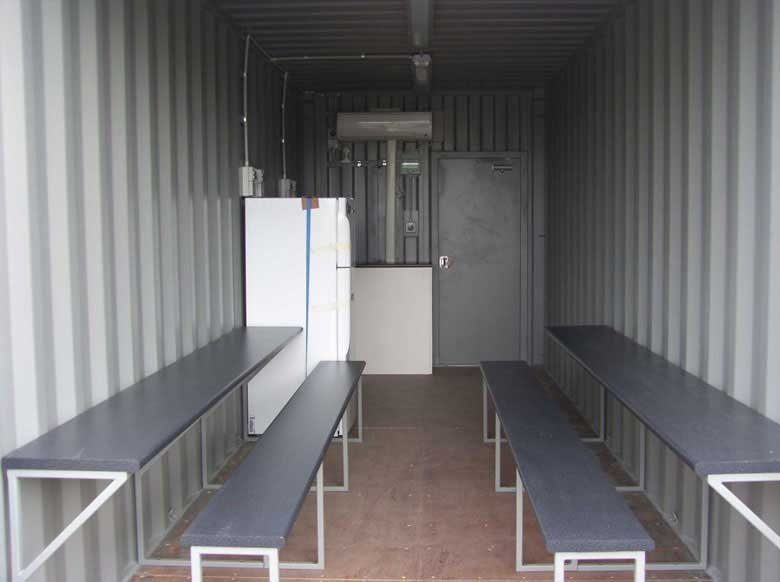
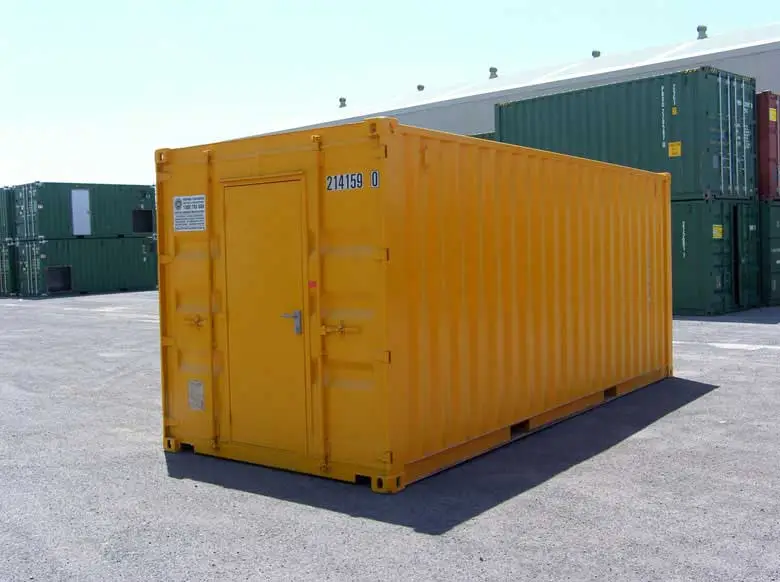
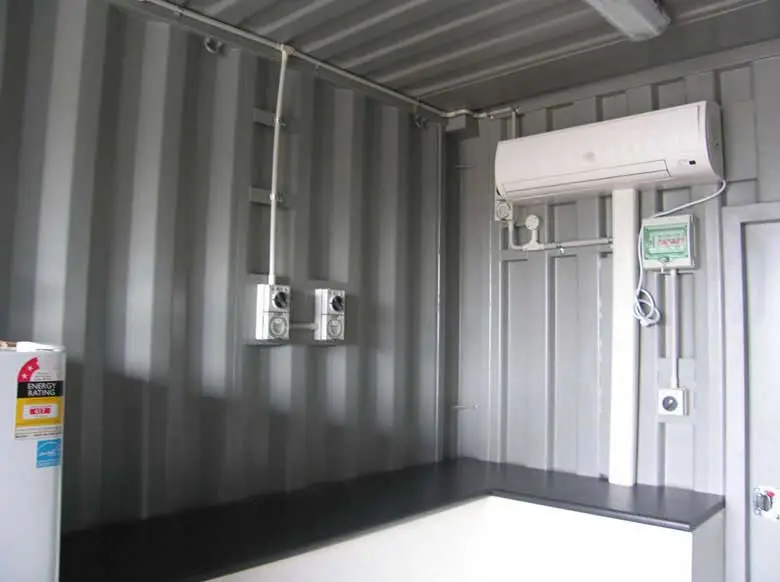
Lunchroom containers are shipping containers converted into comfortable, functional break rooms, canteens, or welfare units for worksites, events, and businesses. They provide a dedicated, insulated, and secure space for staff to relax, eat, and recharge away from the elements and worksite noise.
Moreover, What is a Container Lunchroom?
Therefore, A standard shipping container (often 20ft or 40ft) professionally into a ready-to-use welfare facility. Furthermore, It’s a turnkey alternative to constructing a permanent building, offering a mobile, cost-effective, and instantly available solution.
Additionally, Key Features Typically Include:
-
Insulated Walls & Ceiling: For temperature control and noise reduction.
-
HVAC System: Heating and air conditioning for year-round comfort.
-
Fully Fitted Kitchenette: Sink, countertops, cupboards, microwave, fridge/freezer, and kettle.
-
Seating & Tables: Sturdy, easy-clean furniture.
-
Finishes: LED lighting, electrical outlets, easy-clean flooring (vinyl or laminate), and decorated walls.
-
Compliance: Built to meet local workplace welfare regulations (WRAP standards, HSE guidelines).
On the other hand, Think of it as a plug-and-play staff lounge delivered to your site.
Meanwhile, Why Choose a Container Over a Built Room?
-
Speed & Mobility: Delivered and operational within days. Can be relocated as your project or needs change.
-
Cost-Effective: No architectural fees or lengthy construction. Lower upfront capital cost.
-
Minimal Site Disruption: Placed with a crane, requiring only a level base and utility connections.
-
Durability & Security: Made from tough steel, it’s highly secure and resistant to vandalism and weather.
-
Scalability: Need more space? Simply add another unit alongside.
Besides, Common Configurations & Sizes
| Size | Best For | Typical Capacity |
|---|---|---|
| 10ft Container | Small teams (5-8 people), compact sites. | Compact kitchenette and seating. |
| 20ft Container | Most popular size. Mid-sized teams (10-16 people). | Full kitchen, ample seating, and storage. |
| 40ft Container | Large sites, major events, or multi-function spaces (can include separate changing areas). | High capacity, expansive kitchen, and lounge area. |
Customization is key. Layouts can include restrooms, changing rooms, or even a small office nook.
Therefore, Essential Features for a Functional Lunchroom
Therefore, For a comfortable and compliant space, look for these essentials:
-
Climate Control: A robust split-system air conditioner/heat pump is non-negotiable for all-season use.
-
Adequate Ventilation: Extractor fans, especially near the kitchen area, and opening windows.
-
Hot & Cold Water: A plumbed sink with instant hot water for drinks.
-
Power & Lighting: Sufficient 110V/240V outlets and bright, energy-efficient LED lighting.
-
Hygiene & Cleanliness: Easy-to-clean surfaces, a dedicated waste area, and possibly a dishwasher.
-
Wi-Fi & Connectivity: Increasingly a standard expectation for staff welfare.
Therefore, Top Industries & Use Cases
-
Construction & Infrastructure: Provides essential welfare facilities on remote or temporary sites.
-
Events & Festivals: Serves as a green room, catering hub, or staff break area.
-
Manufacturing & Industrial Plants: Offers an on-site respite away from the factory floor.
-
Film & TV Production: Used as a mobile catering unit or crew lounge.
-
Education: Temporary canteen or staff room during building renovations.
-
Corporate Campuses: Additional breakout space or overflow dining.
Therefore, Buying vs. However, Renting
Rent a Lunchroom Container if:
-
Your need is short-term (e.g., a single construction project or event).
-
Therefore, You want to avoid maintenance responsibilities.
-
Therefore, Your capital budget offers.
Buy a Lunchroom Container if:
-
You have a long-term or permanent need.
-
Therefore, You want a custom-designed unit that fits your brand and exact specifications.
-
Also, You plan to move it between multiple sites you own.
-
Therefore, The total rental cost over 2-3 years would exceed the purchase price.
Key Considerations Before You Order
-
Site Logistics: Do you have space for delivery and a level base (e.g., concrete, paving, compacted hardstanding)?
-
Utility Connections: Plan for electrical hook-up (often 3-phase for larger units) and water supply/drainage.
-
Local Regulations: Check planning permissions and workplace welfare regulations with your local authority.
-
Specification: Work with a reputable converter to detail every fitting, from the appliance brands to the floor type.
-
Delivery & Installation: Factor in crane hire costs if your site doesn’t have offloading equipment.
Therefore, Final Recommendation
A container lunchroom is a smart, flexible investment in employee welfare and productivity. It demonstrates a commitment to staff well-being and solves the practical challenge of providing quality facilities anywhere.