You need proper facilities on your work site. Our robust change rooms offer essential welfare for your team. They help keep your site compliant and your workers comfortable.
Moreover, these units fit for safety and convenience.
Furthermore, Why You Need Site Change Rooms
Additionally, Work sites often have dirt, dust, or chemicals. Therefore, workers need a dedicated space to change clothes. Also, This prevents contaminants from spreading.
Also, it protects personal items from theft or damage.
For example, Giving suitable facilities is often a legal requirement. For example, many safety regulations demand proper changing areas. Meanwhile, For instance, Meeting these rules keeps your project running smoothly.
In fact, it shows you care about worker welfare.
Furthermore, good welfare facilities boost morale. In fact, Happy workers are more productive. They feel valued when you provide clean and secure spaces.
Consequently, this helps create a positive work environment.
In addition, Key Features of Our Change Rooms
As a result, Our units come with important features. On the other hand, They use to handle tough site conditions. Meanwhile, We focus on durability and ease of use.
Thus, you get a reliable solution for your team.
Nevertheless, Essential Zones for Your Team
- Similarly, Separate clean and dirty areas.
- Consequently, Plenty of space for changing.
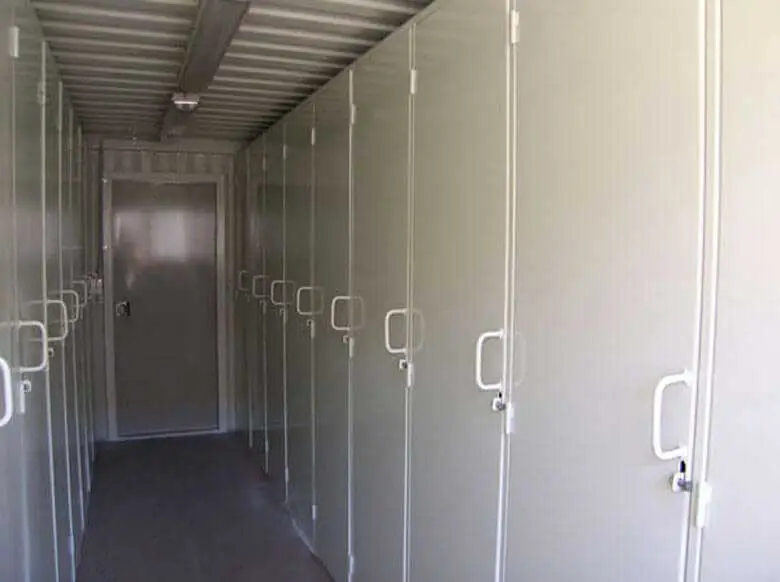
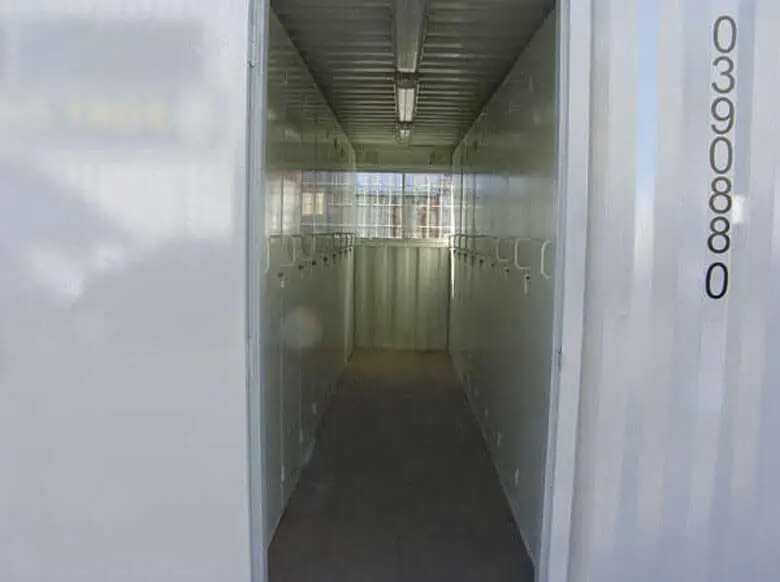
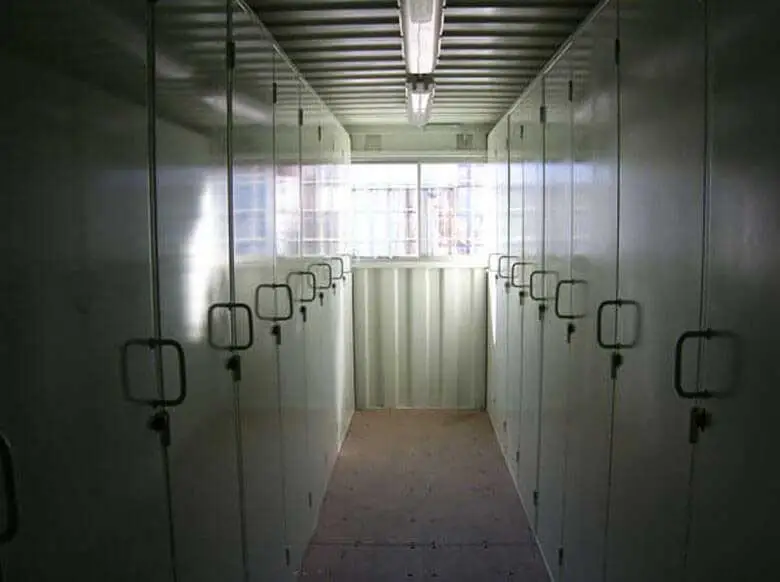
- Instead, Secure, person lockers.
- Likewise, Good ventilation and climate control.
Thus, Each unit includes benches and hooks. Hence, Workers can easily store their gear. Besides, The design helps keep the area tidy.
Therefore, your team can change quickly and safely.
Finally, Optional Additions for Specific Needs
Still, Sometimes, your site needs more. Yet, We offer units with extra features. For example, some projects need decontamination.
Then, We provide options for these specific needs.
So, You can choose units with integrated shower facilities. These are perfect for dirty or hazardous work. Workers can clean up before leaving the site.
This greatly improves hygiene. Additionally, they help meet strict health standards.
Furthermore, we offer drying rooms. Therefore, These spaces great for wet work clothing. Your team can start each day with dry gear.
This adds comfort and convenience. Still, they are optional for many projects.
Modular Change Rooms: Smart Choice for Your Site
Benefits of Container Change Rooms
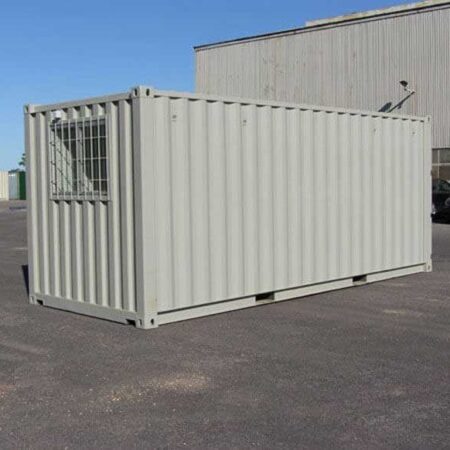
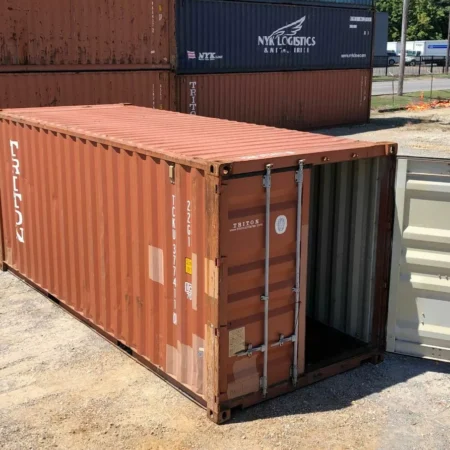
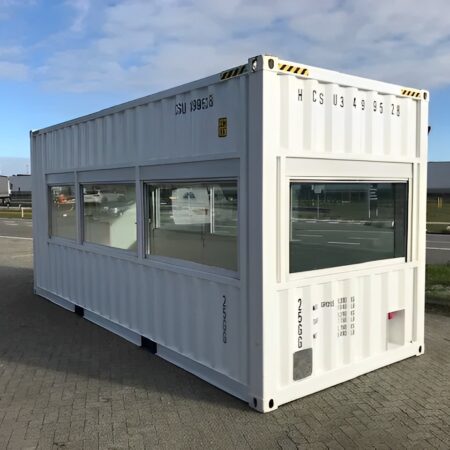
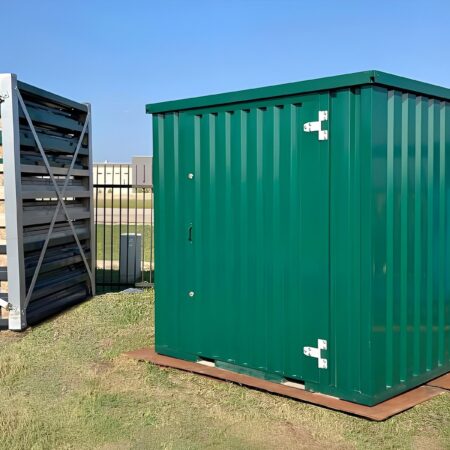
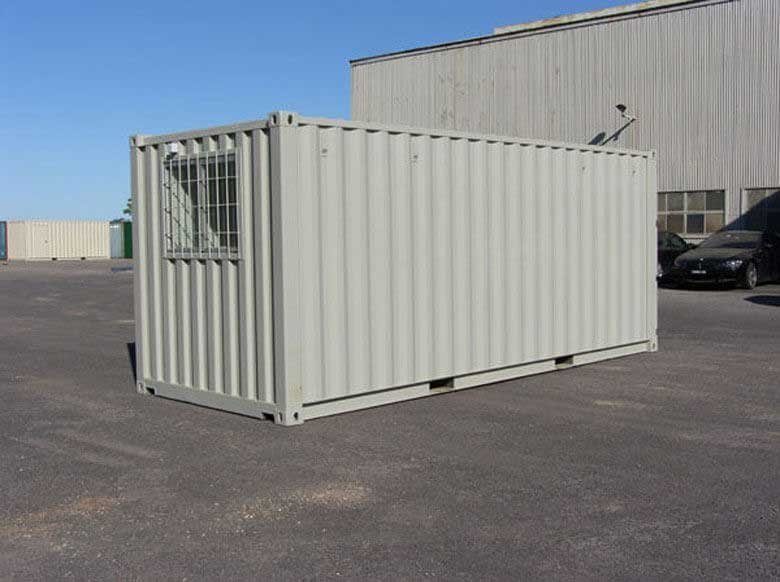
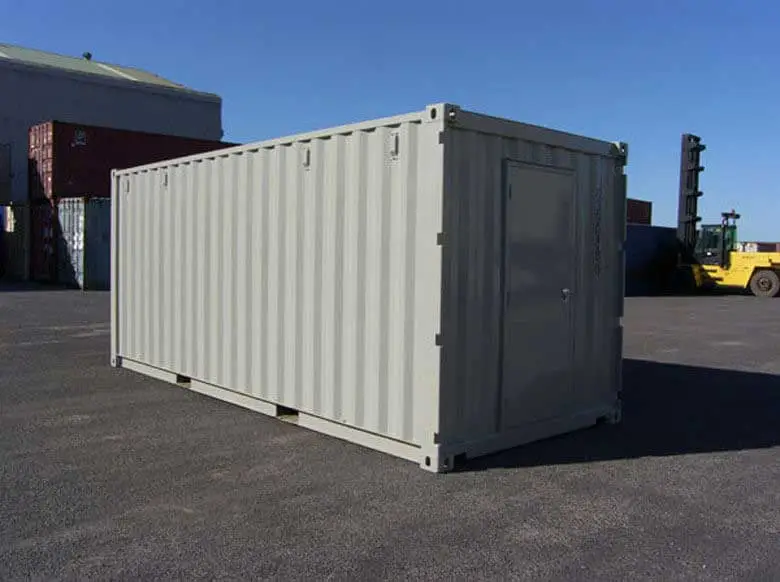
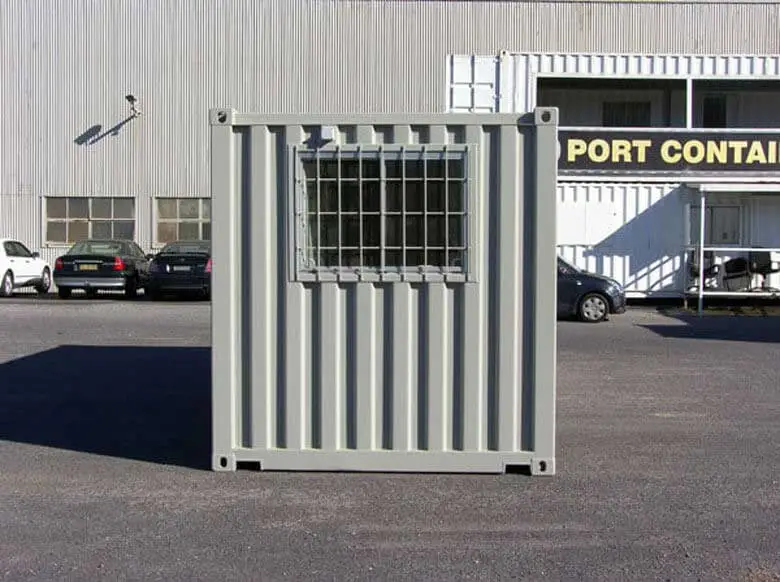
Our change rooms use from strong shipping containers. This makes them incredibly durable. They stand up to harsh weather and tough site use.
You get a long-lasting solution.
Moreover, these modular units offer fast deployment. We deliver them ready to use. You can set up your facilities in days, not weeks.
This saves valuable project time.
They also provide great flexibility. You can move units as your site changes. Or, you can combine several units for larger teams.
This adaptability makes them a smart investment.
In addition, modular units are cost-effective. They are often cheaper than traditional builds. You save money on construction and setup.
This helps your project budget.
Compliance and Easy Setup
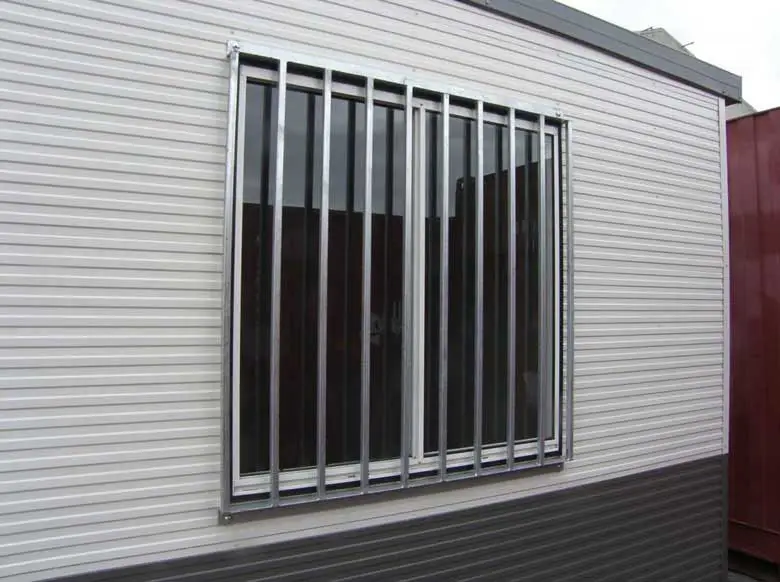
We make sure high security for personal items. Each unit has strong locking mechanisms. Workers can store valuables with peace of mind.
This prevents theft and boosts trust.
For example, our units help you meet legal obligations. Regulations like UK CDM and US OSHA require welfare facilities. Our Modified Containers help you comply.
This avoids fines and work stoppages. Consequently, your project stays on track.
Furthermore, these units are easy to connect. They need standard utility hookups. You can quickly get water, power, and drainage running.
This makes setup simple. Hence, installation is straightforward.
Consider a visit to our shop to see more options. We have many solutions for site welfare. You can find the right fit for your project.
Also, check out other container solutions at Boxhub for industry insights.
Planning Your Site Change Rooms
Think about your team size first. How many workers will use the facilities at once? This helps determine the unit size you need.
We offer various configurations.
Next, consider the type of work. Is it dirty or hazardous? If so, showers are essential.
This makes sure proper decontamination. It protects workers and their families.
Also, check your site logistics. Do you have level ground for placement? Is there good access for delivery?
Planning ahead makes installation smooth.
Finally, plan utility connections. You will need water, drainage, and power. Make sure these are readily available.
This ensures your change rooms are fully functional.
Ready to improve your site welfare? Contact us today for a quote. We help you choose the best solution.
Get secure, compliant, and comfortable facilities for your team.