
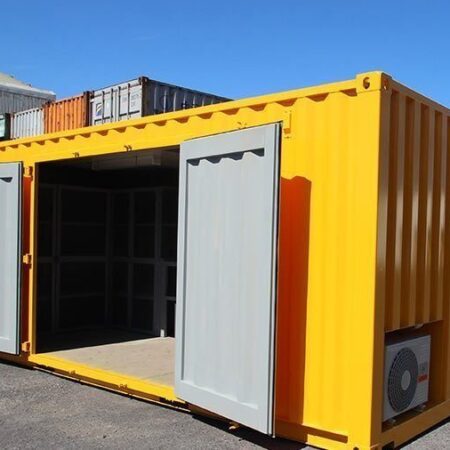
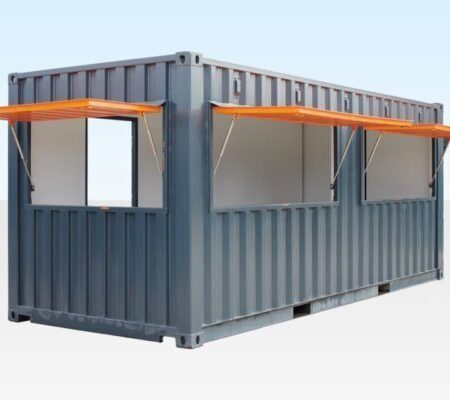
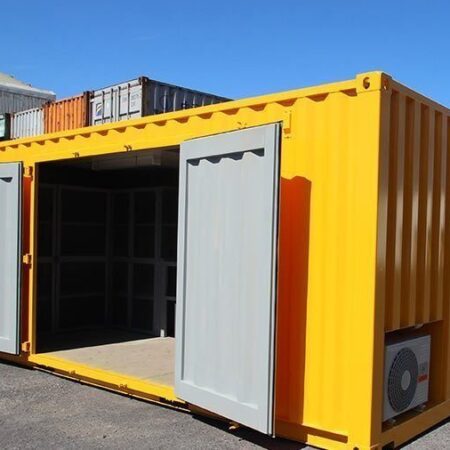
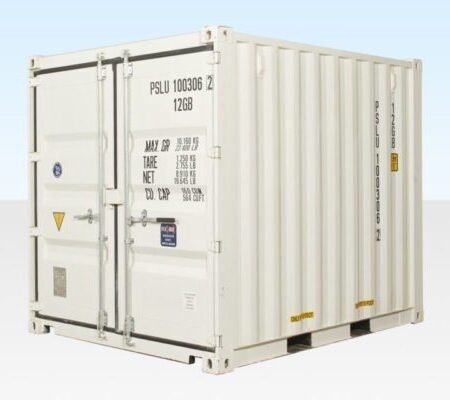
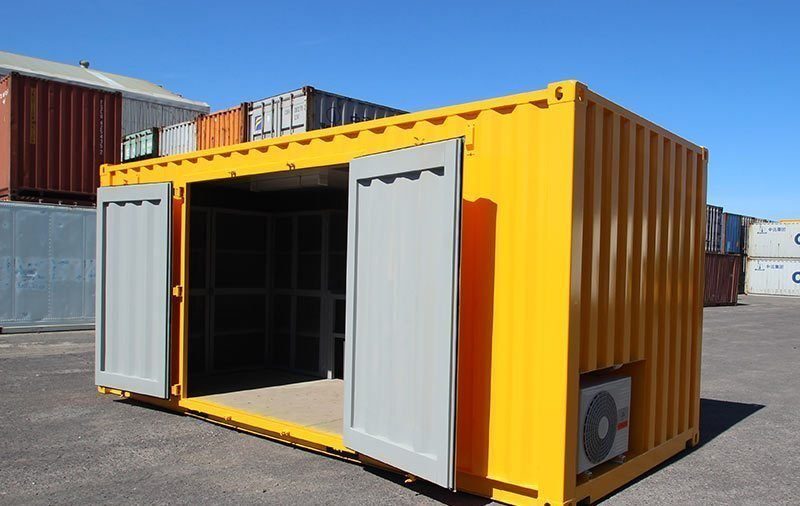
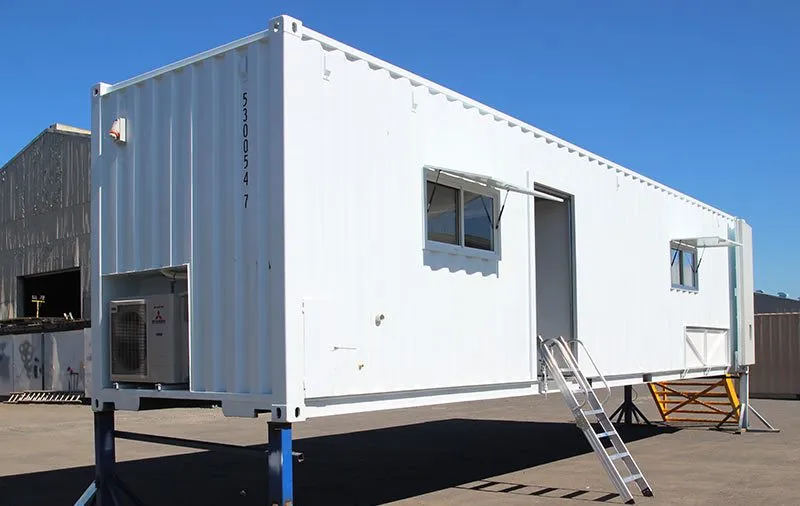
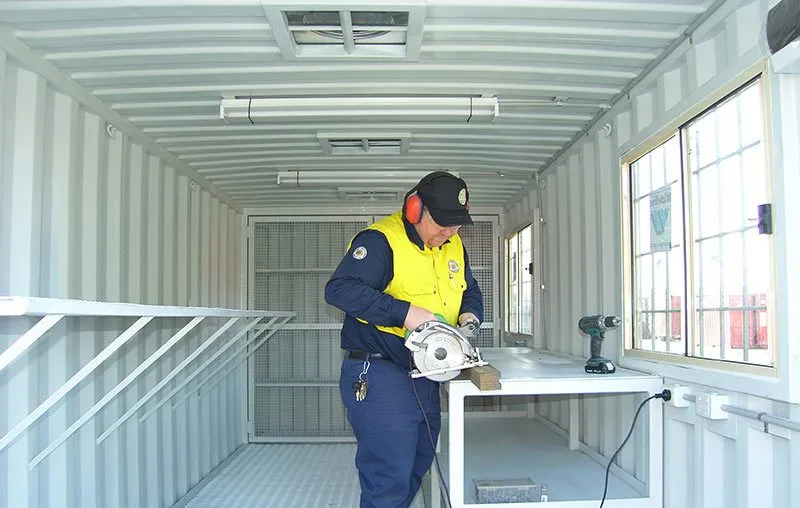
Our container workshops offer a smart workspace solution. We convert shipping containers into functional, secure areas. This gives you a durable and portable space.
It is perfect for many trades, hobbies, and industrial tasks.
Additionally, Benefits of a Container Workspace
Also, You need a reliable place to work. For example, Container workshops provide this quickly. For instance, They arrive as a full workspace.
Therefore, they are ready for you to use fast. In fact, This saves you time and effort.
Moreover, these units are very strong. In addition, The steel shell makes them secure. As a result, They protect your tools and equipment.
This better than a wooden . Also, you can lock them safely.
Furthermore, mobility is a big plus. On the other hand, You can easily relocate your workshop. This helps if your needs change.
Or if you move to a new site. Thus, your investment stays flexible.
In addition, container workshops are cost-effective. Meanwhile, They have lower upfront costs. Therefore, You a This to building a permanent structure.
Consequently, you save money.
You can also customize these spaces. Nevertheless, We outfit them for almost any trade. For example, they suit carpentry or welding.
Similarly, We make them fit your exact needs.
Consequently, Types of Container Workshops
Instead, We offer many types of container workshops. Likewise, Each one fits for specific uses. Thus, You can choose the best fit for your work.
Hence, Here are some popular options:
- Besides, Basic DIY Workshop: Great for home projects.
- Finally, Professional Trade Shop: Ideal for skilled trades.
- Still, Mobile Service Unit: Perfect for field teams.
- Yet, Art Studio: Inspiring space for creators.
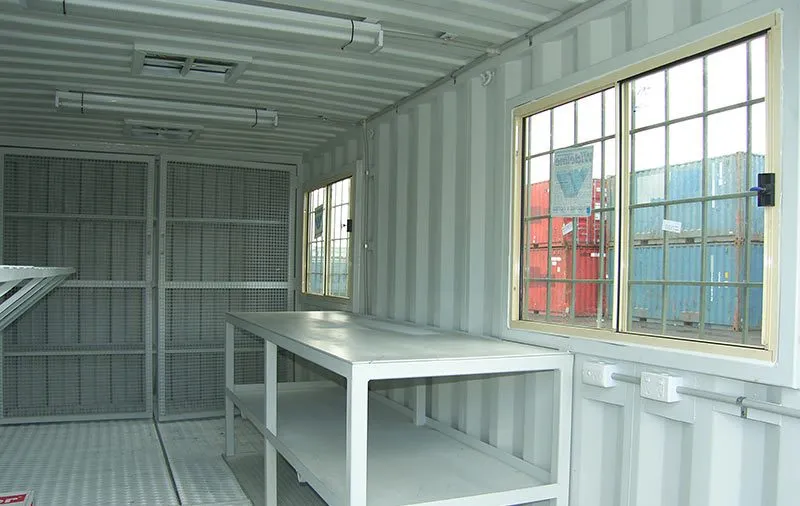
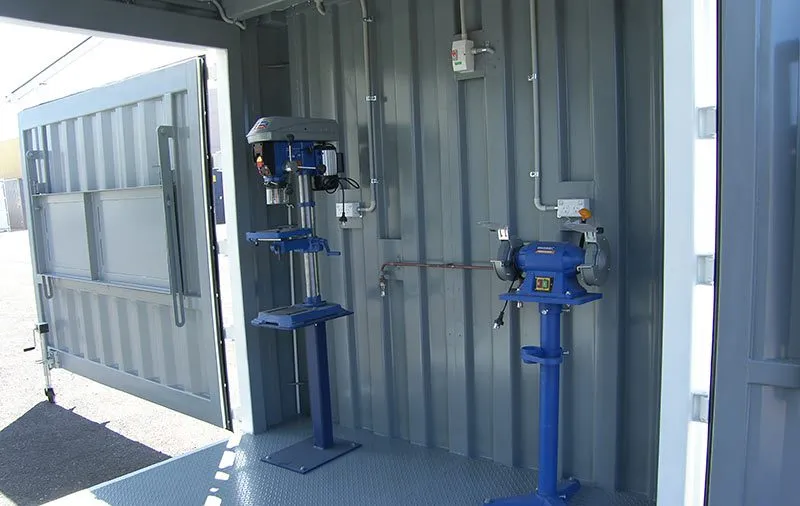
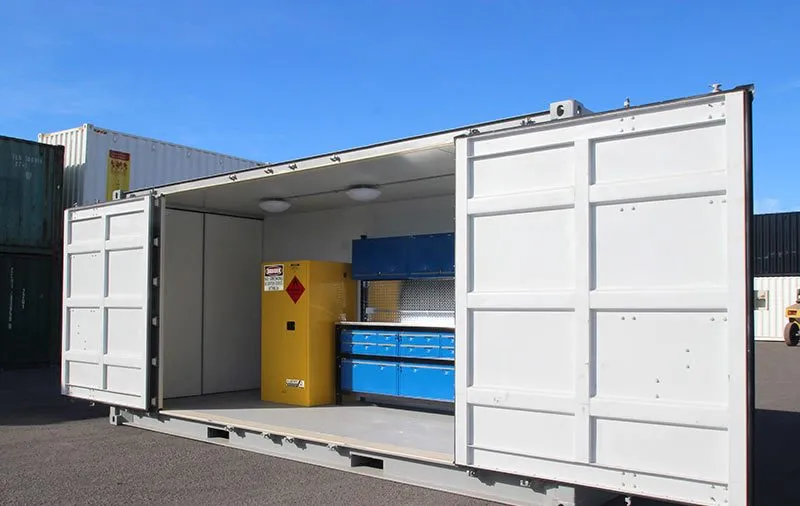
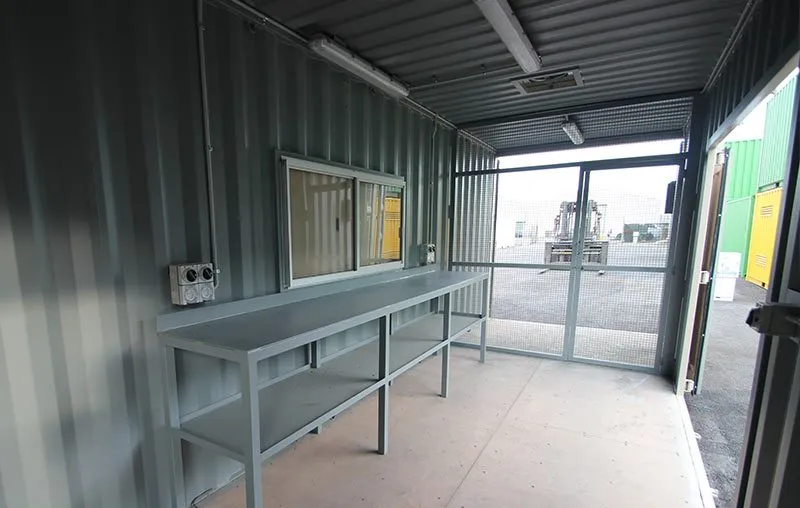
For instance, a basic DIY workshop includes insulation. It also has lighting and power outlets. Then, We add a workbench and storage.
So, This makes it ready for your hobbies.
Because Customizing Your Ideal Space
Although We modify containers to create your ideal space. While You can choose many features. When This makes sure your workshop works well for you.
Since First, consider structural changes. Generally, We can add different doors. Specifically, These include roller shutter doors.
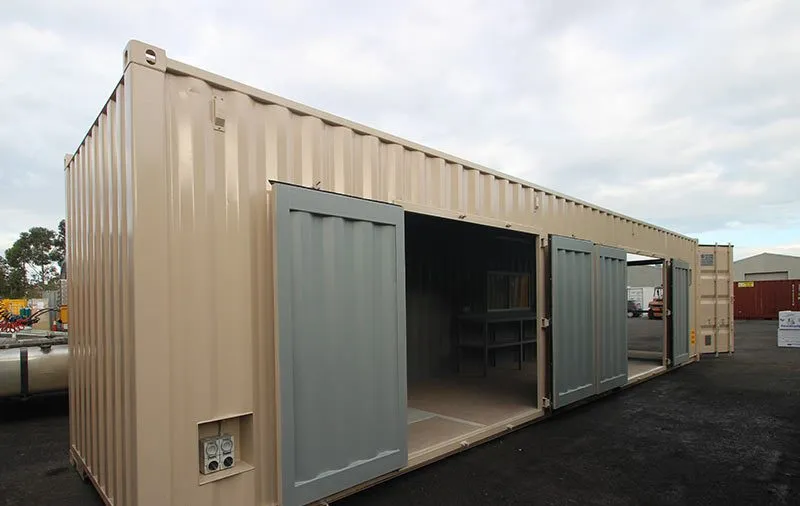
Also, we offer full-height side doors. Therefore, , Or you can extra personnel doors. Overall, This allows for easy access.
Above all, Next, think about natural light. In conclusion, We install windows and skylights. In summary, They bring in light.
They also help with ventilation. To summarize, This creates a brighter work area.
Insulation is also key. It helps control the temperature. We use spray foam or panel insulation.
Then, we add interior linings like plywood. This keeps you comfortable all year. Visit our shop for more options.
Furthermore, we upgrade flooring. Therefore, We use epoxy resin or heavy-duty vinyl. However, These options are durable.
They are also easy to clean. Moreover, This is important for busy workspaces.
Furthermore, Essential Utilities and Fit-Out
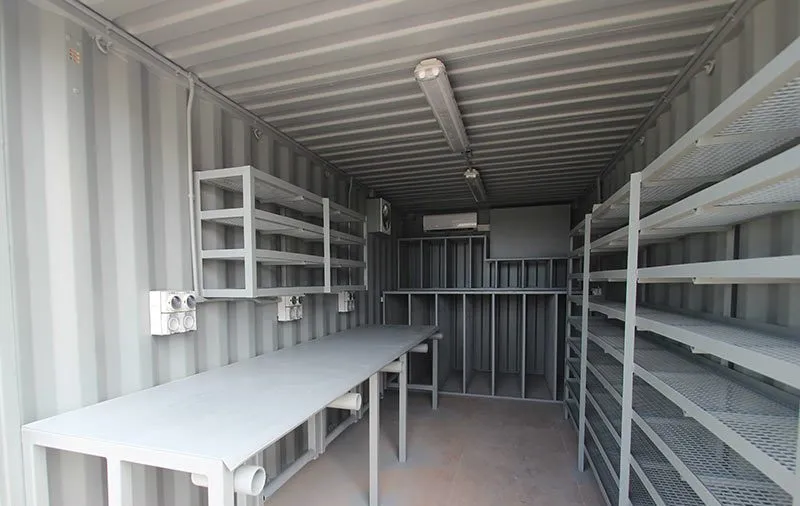
Additionally, Utilities are essential for any workspace. We install full electrical wiring. This includes bright LED lighting.
You get ample 110V/240V outlets. We can also provide 3-phase power.
Additionally, plumbing is available. We can add a sink with hot and cold water. This includes drainage.
It is useful for wet trades or cleanup tasks.
Good ventilation is vital. We install passive vents or powered fans. fume extraction also an option.
This is important for welding or painting areas.
You can also add heating or cooling. We offer air conditioning or electric heaters. Sometimes, wood stoves are an option.
They need proper flues. This keeps your space comfortable in any weather.
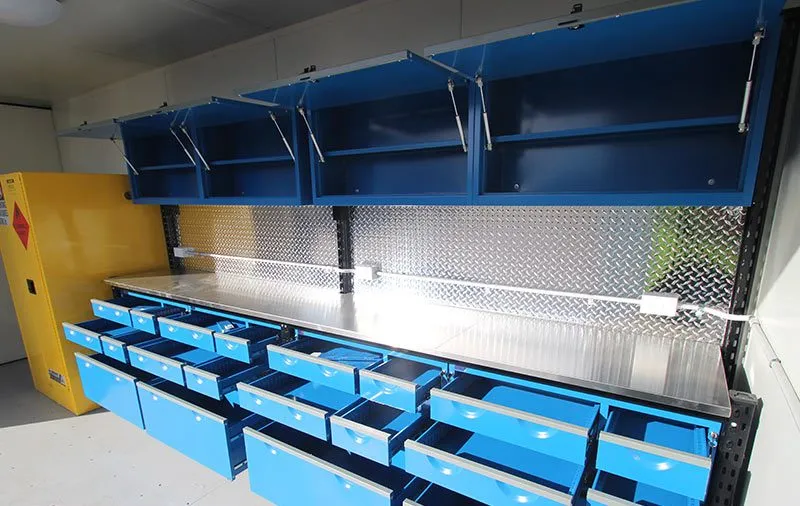
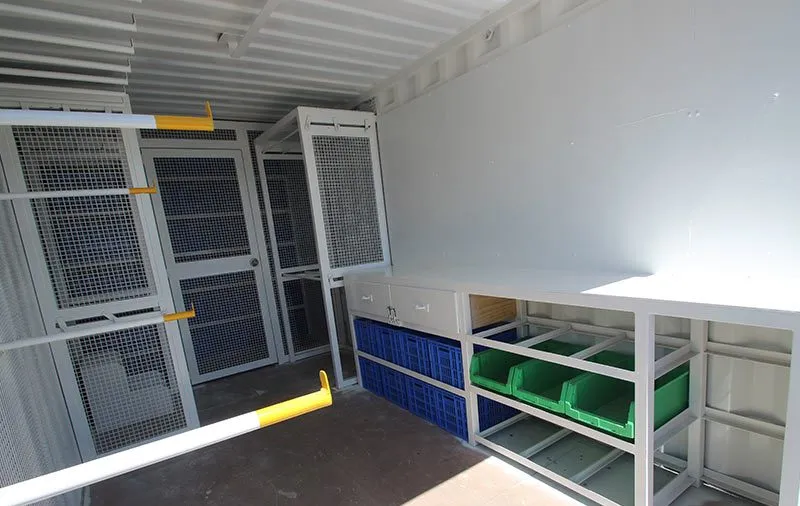
Finally, we fit out the interior. We add sturdy workbenches. You can choose fixed or mobile ones.
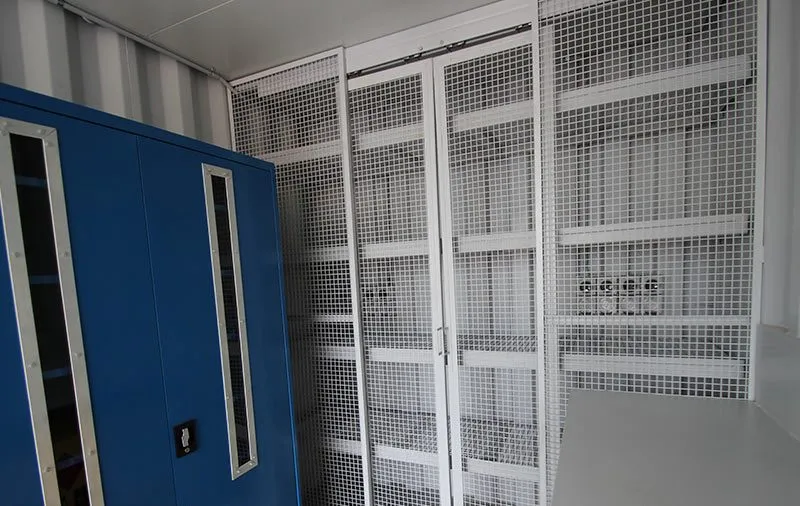
We also provide storage solutions. These include wall-mounted cleats, shelving, and racks. Explore our Modified Containers for inspiration.
Tool organization is simple. We install pegboards and shadow boards. Custom tool holders keep everything tidy.
This helps you find what you need fast.
Container vs. Traditional Buildings
Consider a container workshop over a traditional building. You will see many benefits. They offer a modern approach to workspace creation.
For example, to use much faster. You can be operational in weeks. A traditional build takes months.
This includes planning and construction time.
Moreover, costs are predictable. Container workshops often have lower capital outlay. Traditional builds can have higher costs.
They also carry risks of overruns.
Mobility is another key difference. Our units are fully relocatable. A traditional building offers.
You can move your container workshop with you. For more information on container uses, you can visit Boxhub.
Security is excellent with containers. They have strong steel construction. They also feature secure doors.
Traditional buildings vary in security. Their doors and windows may be less secure.
Planning permissions are often simpler. Containers are sometimes temporary structures. This can simplify permits.
Traditional builds usually need full building permits.
Planning Your Ideal Workspace
Planning helps create the perfect workshop. Ask yourself some key questions. This makes sure we build exactly what you need.
What is your main trade or activity? This helps us decide on power needs. It also guides ventilation and layout.
Your work defines the design.
What size container do you need? We offer 10ft, 20ft, or 40ft units. High Cube options give extra height.
Choose the size that fits your space and tools.
What utilities are a must-have? Think about 240V power, lighting, or water. Do you need internet access?
We can integrate these for you.
How will you load your equipment? This helps us pick the best door type. It also determines the door size.
Easy access is important for your workflow.
What is your site like? Make sure you have level ground. Good access for delivery is also vital.
This makes sure a smooth setup process.
The Conversion Process Explained
We make converting a container easy. Follow these steps for your new workshop. We guide you through each stage.
First, we have a consultation. We work with you to plan the layout. We also finalize all specs.
This makes sure your vision comes to life.
Next, prepare your site. Level the ground. Create a solid base.
Concrete pads or railroad ties work well. This gives a stable foundation.
Then, we begin the conversion. Our team modifies the container. We add all your chosen features.
We also fit out the interior carefully.
Finally, we deliver your workshop. The finished unit arrives at your site. We position it on your prepared base.
You then connect power and other utilities. Your new workspace is ready to use!
Therefore, Ready to ? View our Portable Buildings for more options. We help you create the perfect container workshop for your needs.
Contact us today to discuss your project!