
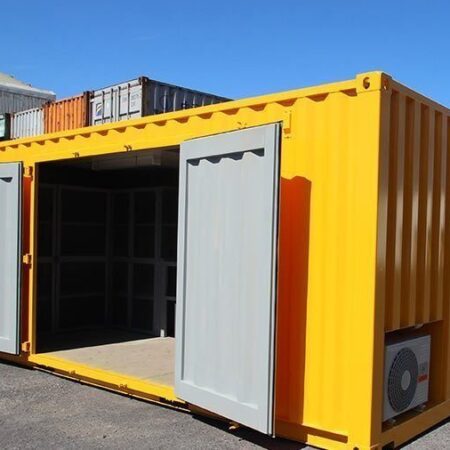
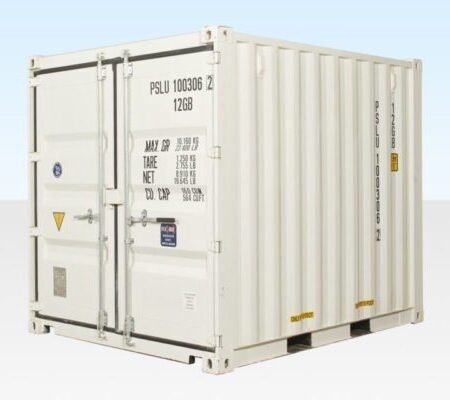
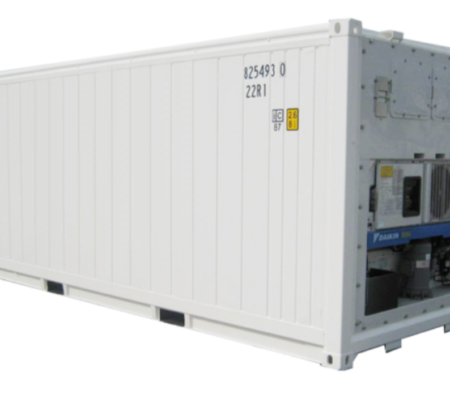
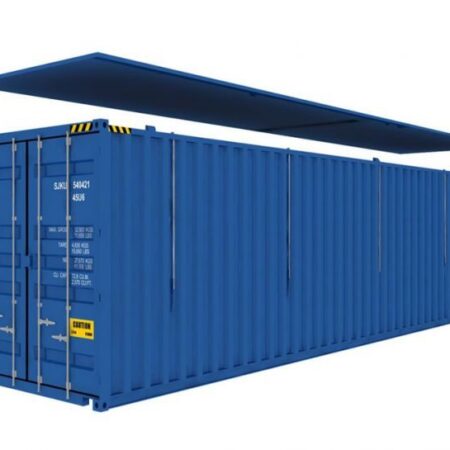
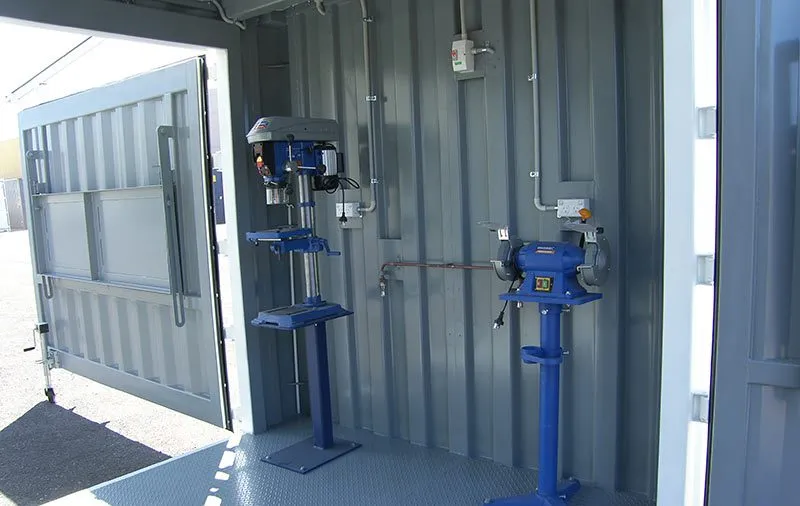
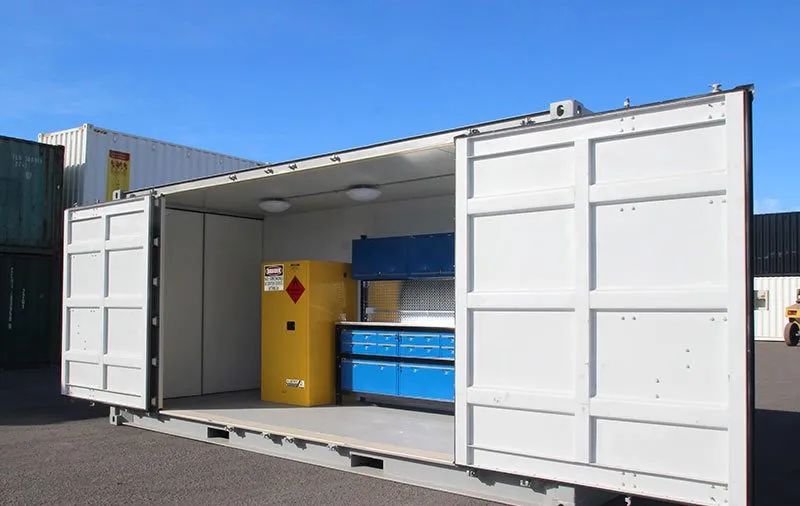
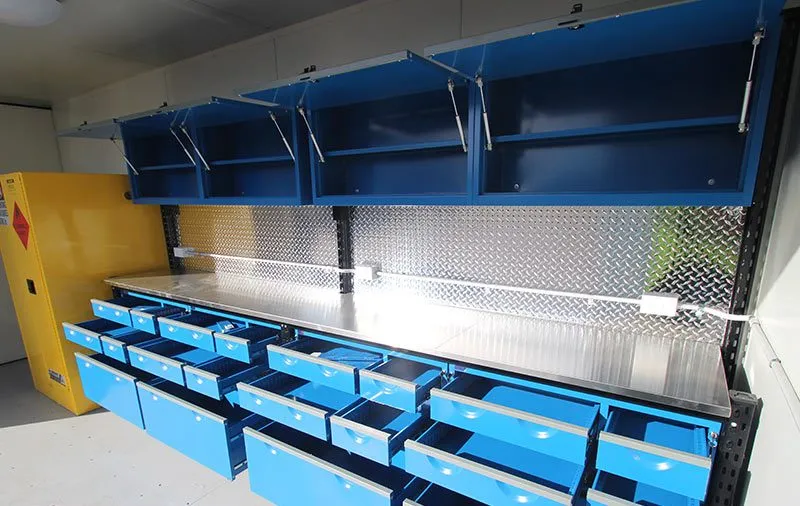
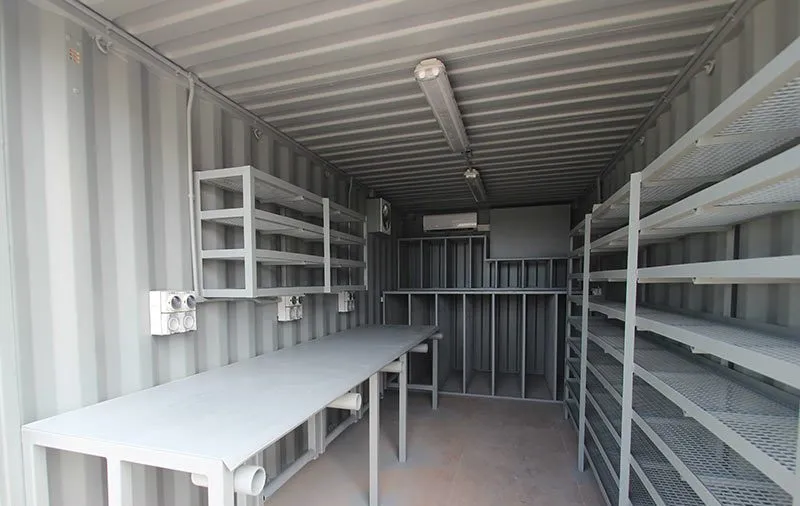
Are you looking for a practical workspace? Our container workshops offer a smart solution. These are functional workspaces.
We build them by converting strong shipping containers. They give you a durable, secure, and portable space. You can use them for many trades, hobbies, or industrial tasks.
Therefore, From a simple storage with power to a full professional shop, container workshops a fast choice. They are also a cost-effective alternative to building a permanent structure.
For instance, Create Your Ideal Container Workshops
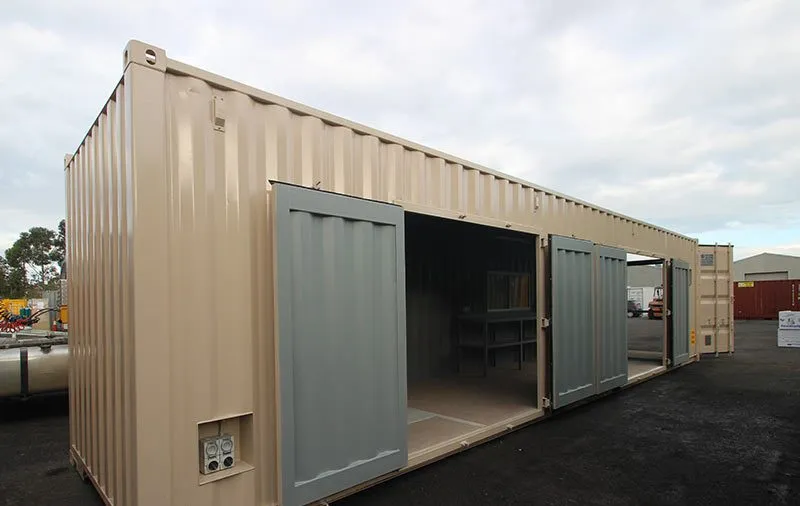
In fact, A container workshop is a standard shipping container. In addition, We modify and outfit it as a dedicated workspace. As a result, Typically, we use 10ft, 20ft, or 40ft containers.
On the other hand, The steel shell is very strong. Meanwhile, It offers a lockable and weatherproof enclosure. Nevertheless, We customize these units with interior fittings.
Also, we add utilities and exterior features. Similarly, This means they suit your specific trade needs perfectly. Therefore, you get a ready-to-use space.
Consequently, Key Benefits of Container Workspaces
Instead, Choosing a container for your workspace brings many advantages. Likewise, These units use for immediate use. Thus, You get a turnkey space, ready for work right away.
Moreover, they offer great strength and security. They much more secure than a typical wooden or garage.
Furthermore, mobility is a big plus. Hence, You can relocate your workshop as your needs change. Or, you can move it if your site changes.
Consequently, this flexibility saves you time and effort. In addition, container workshops are very cost-effective. Besides, They have a lower upfront cost.
Therefore, You a This to building a brick-and-mortar structure.
Also, they are highly customizable. We can outfit them for almost any trade. For example, artists, mechanics, or welders can all benefit.
You can explore more options in our shop.
Essential Features for Your Workshop
We offer many customization options. These help make your workshop perfect. Consider structural and access changes first.
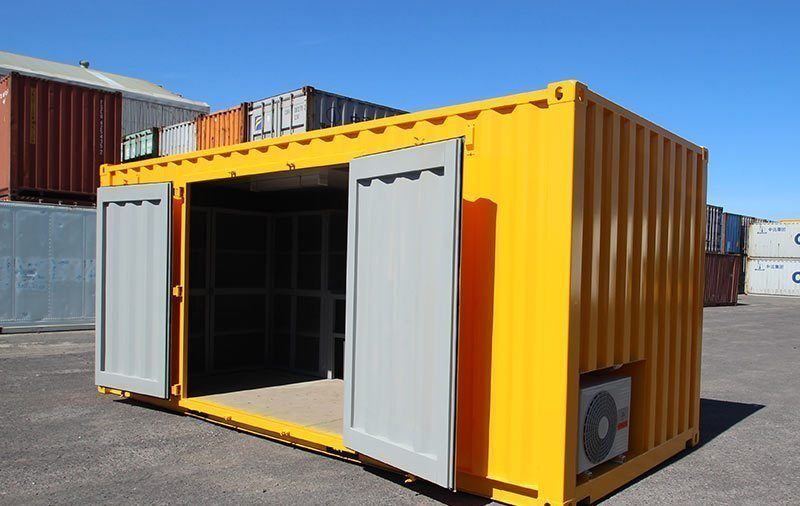
We can add roller shutter doors. Full-height side doors are also an option. Or, we can include extra personnel doors.
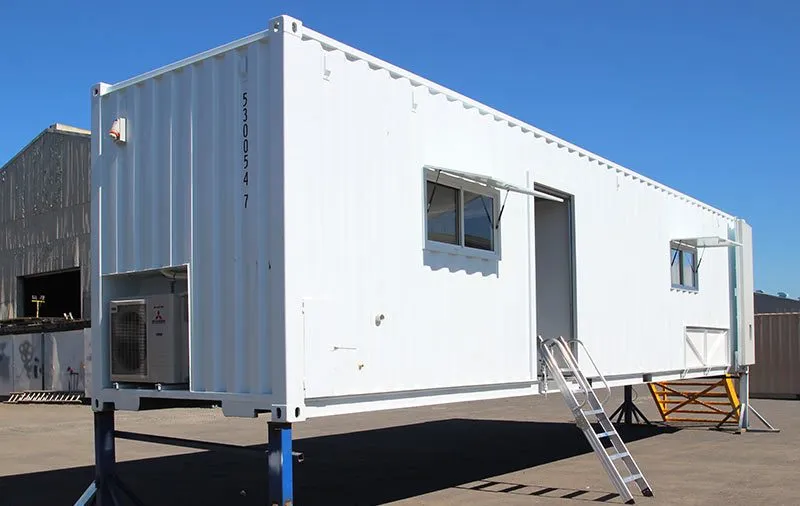
This makes access very easy. Furthermore, windows and skylights bring in natural light. They also help with ventilation.
Therefore, your workspace feels brighter and more open.
Insulation and lining are crucial for comfort. They help control the temperature inside. We offer options like spray foam.
Panel insulation is also available. For interior linings, you can choose plywood or steel. Moreover, durable flooring is important.
We use epoxy resin or heavy-duty vinyl. These are easy to clean and last a long time.
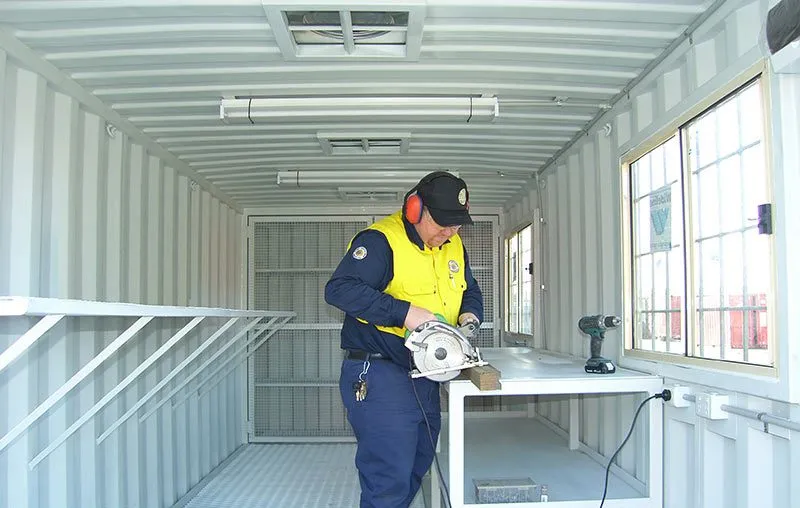
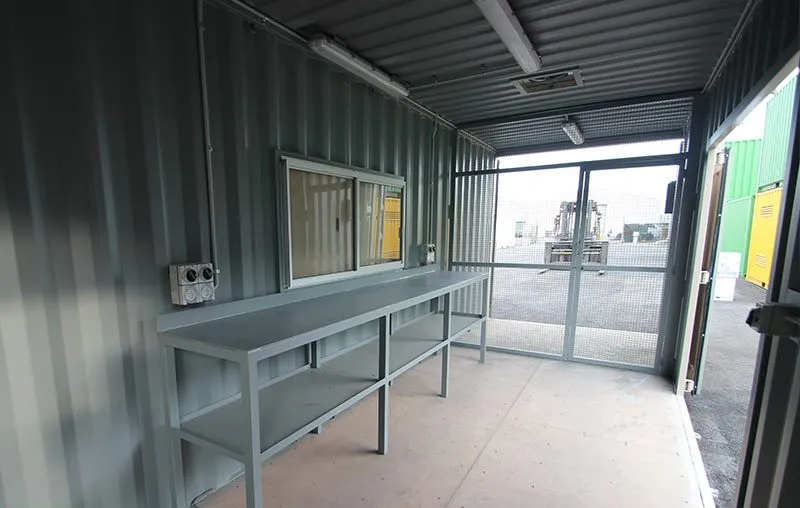
Utilities and services are vital for any workshop. We install full electrical wiring. This includes bright LED lighting.
You get ample 110V/240V outlets. We can also provide for 3-phase power. For wet trades, plumbing is available.
We can add a sink with hot/cold water. Drainage also . Additionally, good ventilation is key.
We offer passive vents or powered extraction fans. Dedicated fume extraction suits welding or painting. You can also add heating or cooling systems.
Air conditioning or electric heaters keep you comfortable. Visit our Modified Containers category for more ideas.
Interior Fit-Out Options
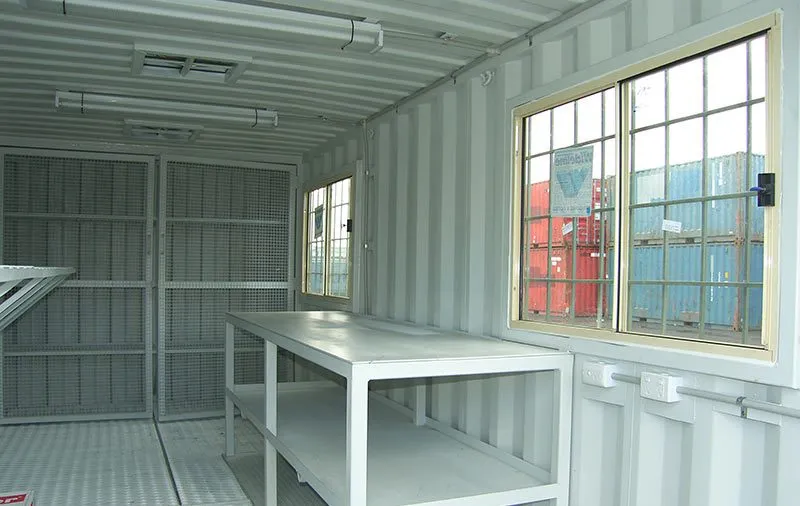
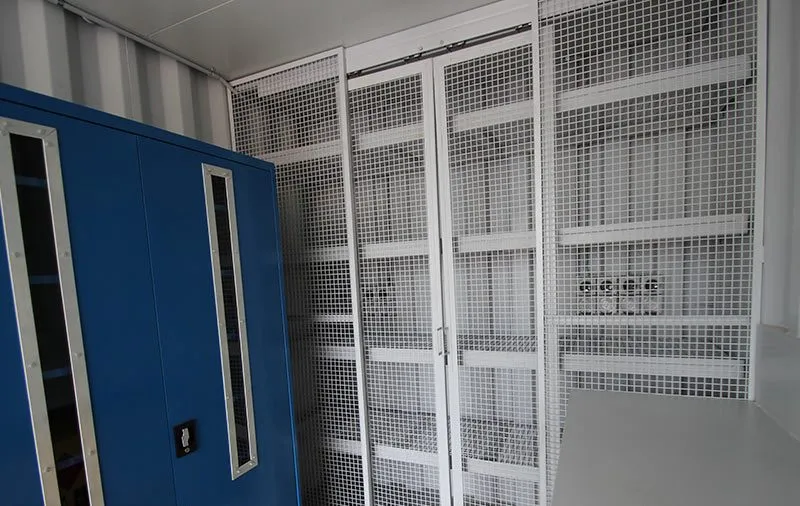
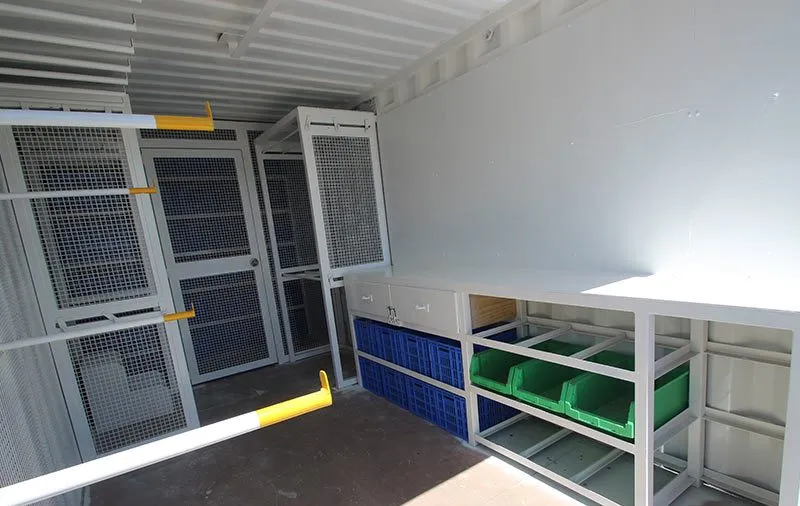
The inside of your workshop matters. We can install sturdy workbenches. You can choose fixed or mobile designs.
For storage, we offer many solutions. Therefore, Wall- French cleats popular. Shelving and racks keep things tidy.
Lockable cabinets add security for your tools. Furthermore, tool organization is simple. We use pegboards and shadow boards.
Custom tool holders keep everything in its place. Hence, your workspace stays organized and efficient.
- Strong steel construction
- Custom doors and windows
- Full electrical wiring
- Insulated for comfort
Planning Your Container Workshop
Planning is key for a successful workshop. First, think about your main trade or activity. This helps decide your power needs.
It also affects ventilation and layout. Next, consider the size. Do you need a 10ft, 20ft, or 40ft container?
High Cube options give extra height. Then, list your must-have utilities. For example, do you need 240V power, lighting, water, or internet?
Also, plan how you will load and unload equipment. This helps choose the best door type and size. Finally, check your site.
Make sure you have level ground. Good access for delivery is also important. For more information on container options, check out Conexwest.
The Conversion Process
The process of getting your workshop is straightforward. First, we have a consultation and design phase. We work with you to plan the layout.
We also finalize all specs. Next, you prepare your site. Level the ground and create a solid base.
Concrete pads or railroad ties work well. Then, we begin the conversion. Our team modifies the container.
We add all the features and fit out the interior. Finally, we handle delivery and placement. Your finished workshop arrives.
We position it on your prepared base. You then connect power and other utilities. Soon, you will be operational.